Our Timeline
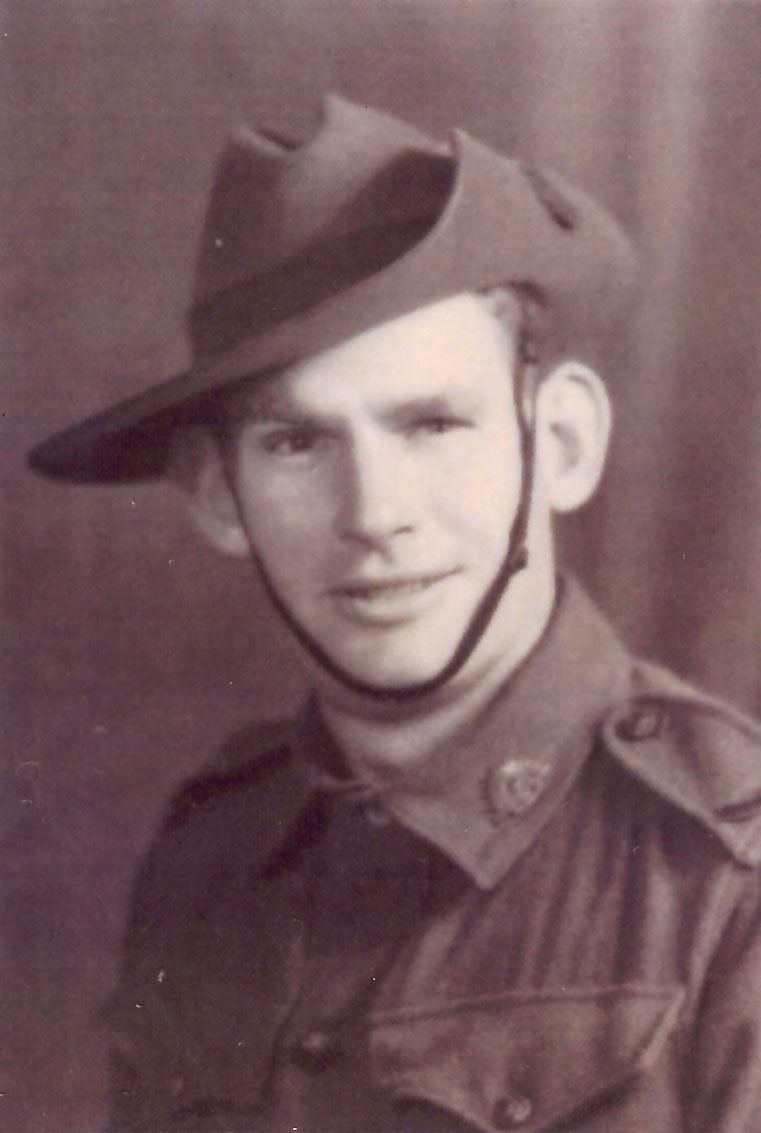
After returning World War 2, Vic Cordwell and family lived at North Street Yandina. Vic worked for the Forestry department in Cooloolabin for a short time before purchasing a small tip truck and starting his own business. He would cart all sorts of things for people all over the Sunshine Coast (3 shires at that time). This included anything from delivering furniture, collecting cord wood delivered to anywhere for boiler engines using steam eg the sugar mill, milk factory and others using steam engines. Bones were collected from the slaughter yards and unloaded into train wagons to be taken to Brisbane to be processed into fertiliser. He collected Molasses in 44 gallon drums and delivered to dairy farms - all done by hand. Vic did at least 4 loads a day and every day he was shovelling something. He would cart sawdust from the local sawmills, collect ash from the steam trains at the Yandina station to be used for tracks and driveways. Rocks were handpicked from paddocks straight into the back of a single drive 4 -6 cubic yard (4.6m) truck (100 shovels to the yard).
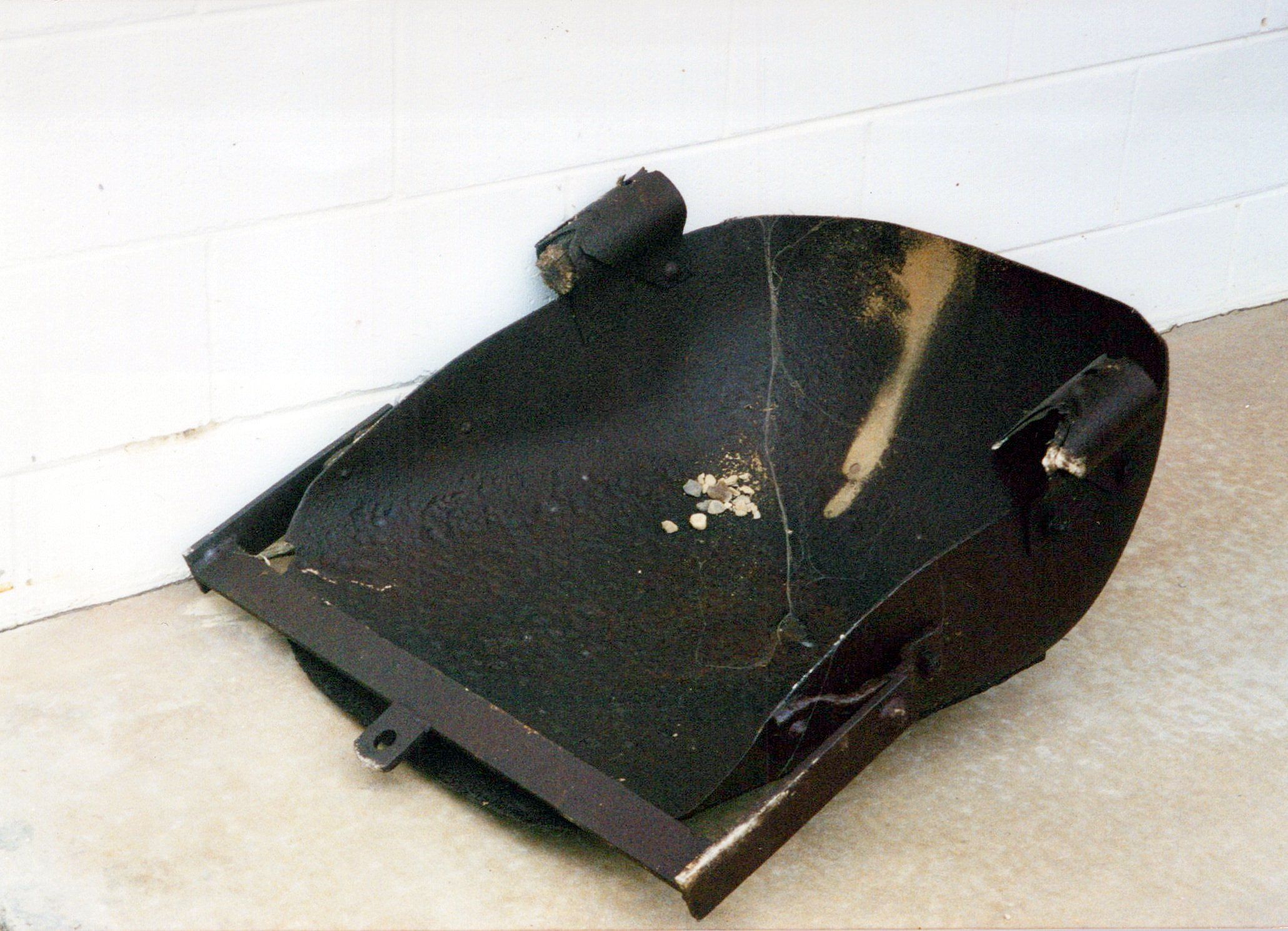
In the late 1940s, a horse-drawn metal scoop was used to retrieve sand and gravel from the Maroochy River, which was then shovelled into his truck for delivery to customers. Other methods included shovelling into a boat off the banks at low tide and then loading it into a trolley. The trolley was then winched up near the North Maroochy River bridge bank and shovelled into a truck. The demand was very high for these materials. Nothing was crushed at this time, it was straight out of the river and used, most being a perfect size. Sons, Ronald, Trevor, and Garry, when old enough, would help with the loading of trucks. 1950 - Later a tipper fitted with a Berryman Loader was used, this is a winch mounted under the body of the tipper which pulled the filled scoop up the ramp into a frame and tipped the scoop into the truck. As it started going up the slide someone would have to jump into the truck to use the clutch and jump out again to pull the rope that controlled the gears.
A shilling a yard a mile was the charge for works, some of which were done by contract, and the rest was whatever was going on at the time. Blue metal gravel, when required, had to come from Gympie goldmines, which was a big trip for a 4m load. Sandstone was sourced from road cuttings from various locations around the area for use in the tennis courts. Sand was also sourced from the Mary River in Kenilworth in addition to the sand and gravel from the Maroochy River. Plastering sand/ fine sand was obtained from swaps from Bli Bli and Rosemount and supplied to people from Brisbane to make monuments for cemeteries. Brickies Loam came from the riverbank on Fairhill Rd and various other places when the first brick houses were built. Raw materials were dredged from the river by a tractor (an old David Brown) with a winch. A pulley was placed on the other side of the river, and a wire rope driven by one wheel jacked up on the tractor, which pulled the scoop to the other side of the river. Then the winch was used to pull the scoop loaded with sand or gravel to an area so it could be shovelled onto the truck. There were others around doing the same thing at the time, like Halls, Evans, and Rutherford. An old Chevy Blitz (an old army truck) was set up with the drag line to assist with the extraction of sand and gravel. It was also used to clean dams and waterways out when people requested the job.
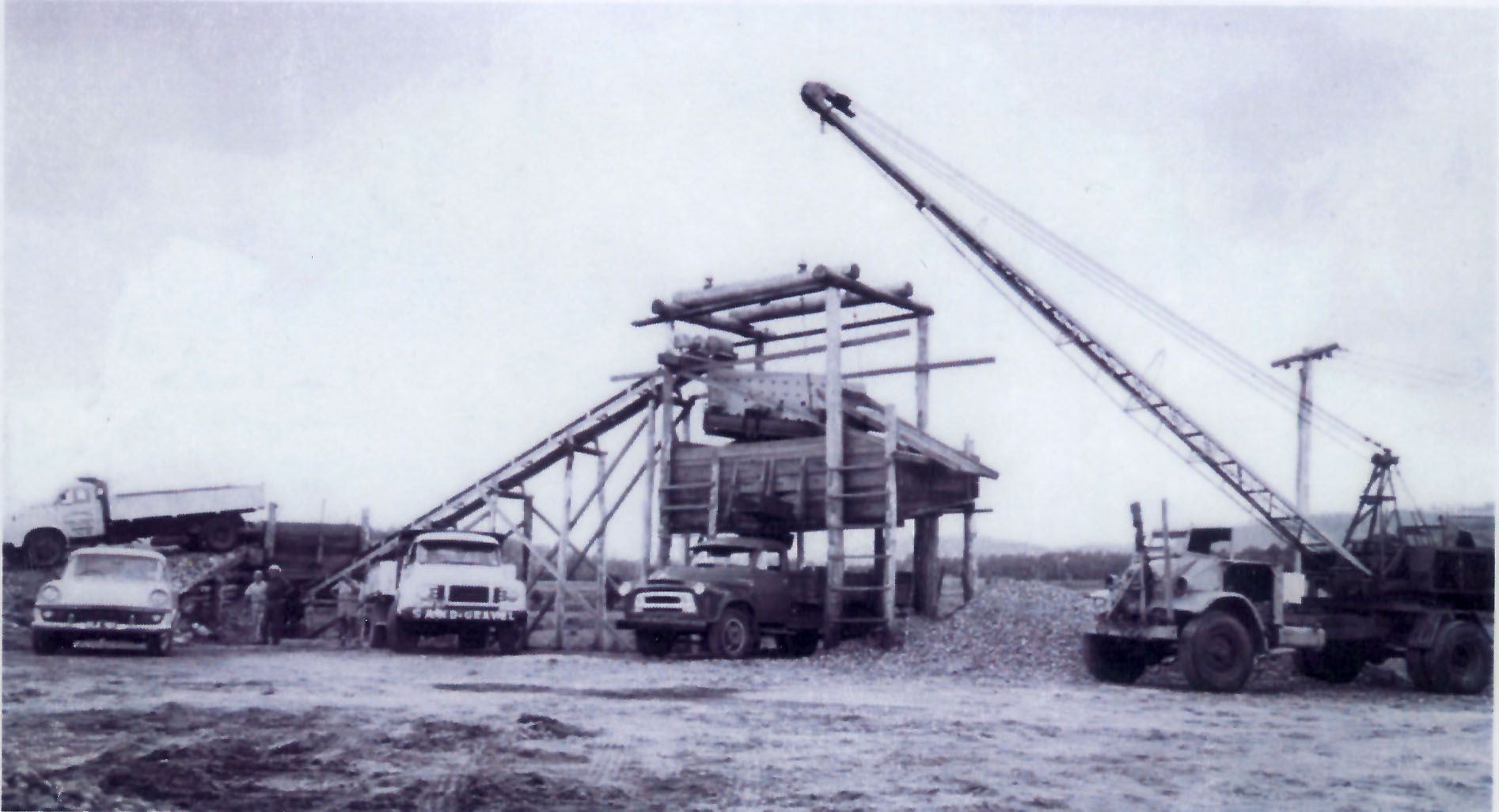
TE20 Ferguson, with a scoop on it, was the first loader purchased to load trucks. 1963 A block of ground on Dunethin Rock Road was leased from Ted Klotz to set up a crushing plant, called Vic Cordwell Sand and Gravel.

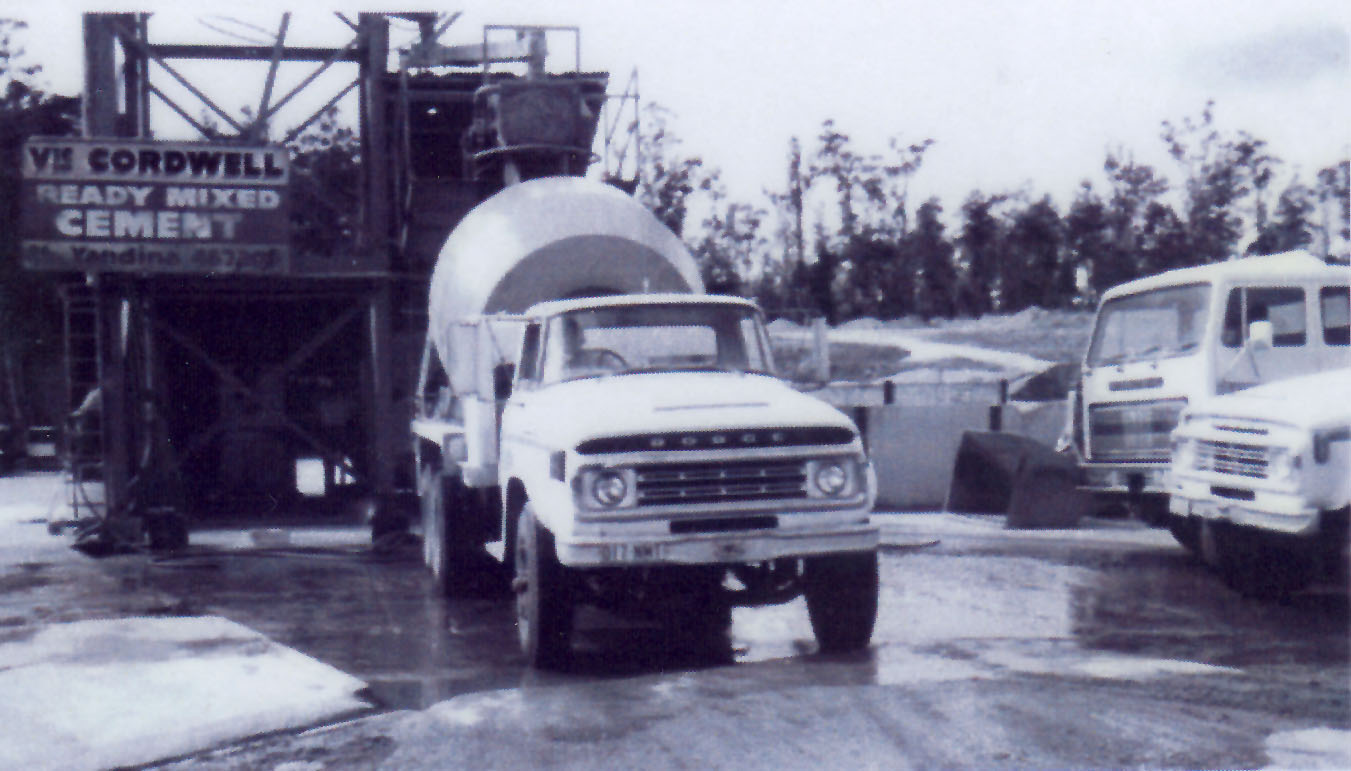
A Ruston Dragline on tracks and an International Hough loader was purchased to help with the additional workload. A range of products suitable for concrete and other uses was produced. In 1965, the first concrete truck was purchased, a 4 cubic yard Bedford truck to supply concrete to builders in all shires. Concrete was 12 pounds per cubic yard at the time. Additional concrete trucks were purchased as the demand for concrete increased. A truck or flat-top trailer brought cement bags from Brisbane to the plant almost daily. The 10-20 tonne load would be unpacked and stored in the shed by hand. Materials were measured by volume, and the cement bags were broken by hand into the loader bucket before being added to the batching bin. Water was added to the truck in timed increments of one gallon using a wristwatch. Concrete was ordered in yards cubed.
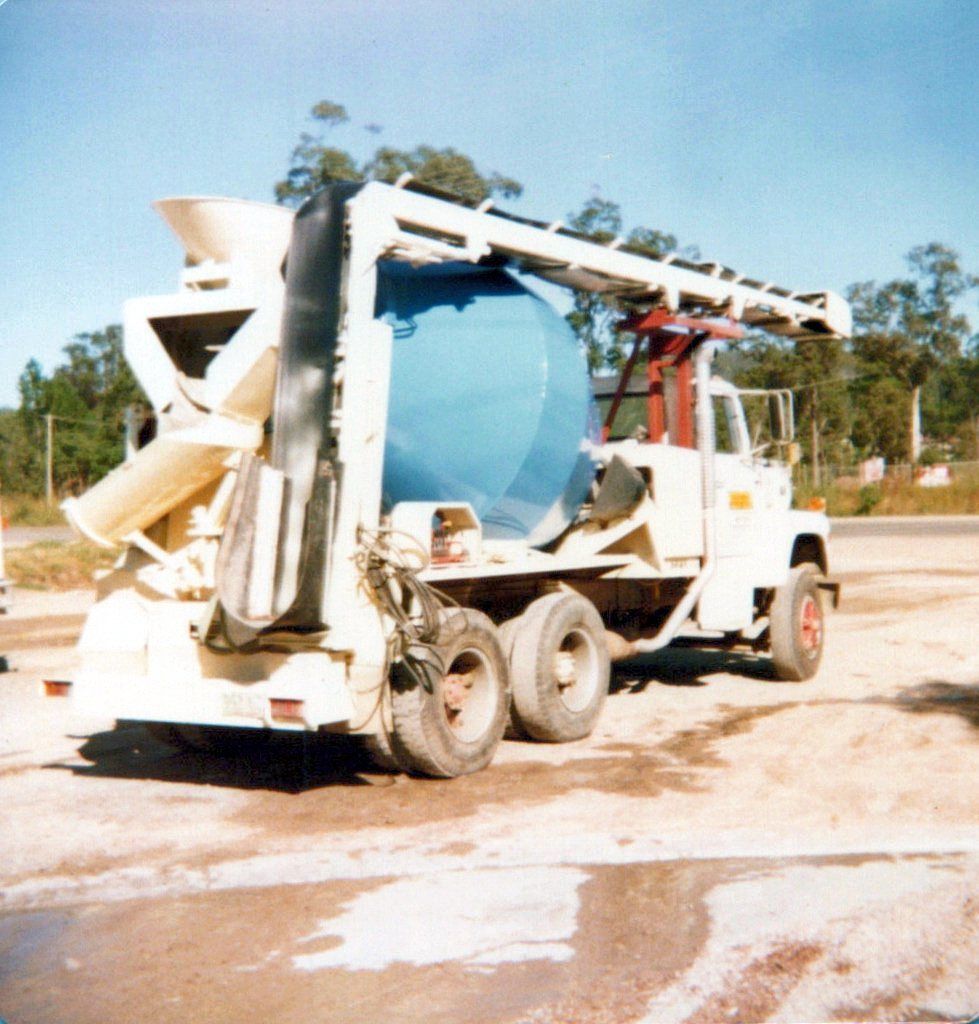
Raw materials were excavated by a loader from the Mary River at Moy Pocket and trucked back to be screened at Yandina, as the supply in the Maroochy River began to run out. This photo is a concrete conveyor (only one on the coast) 1970
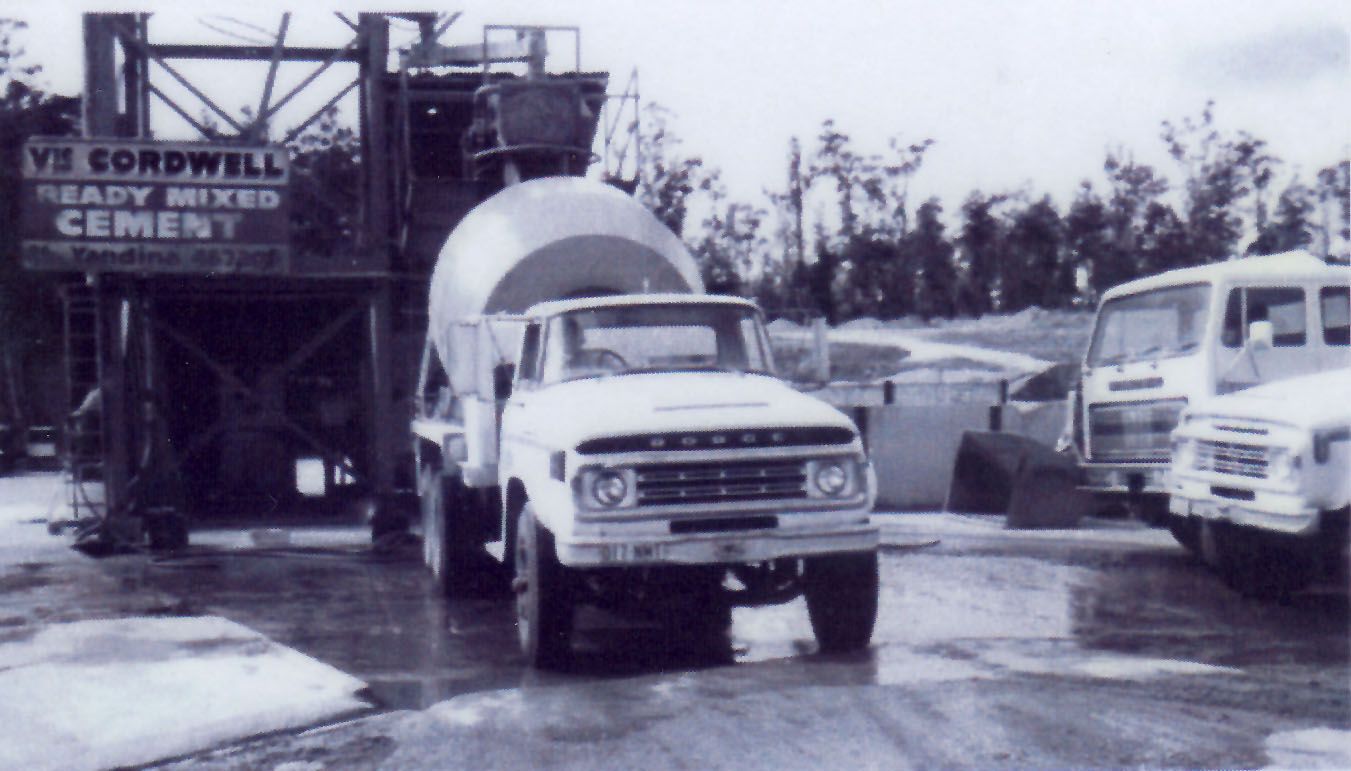
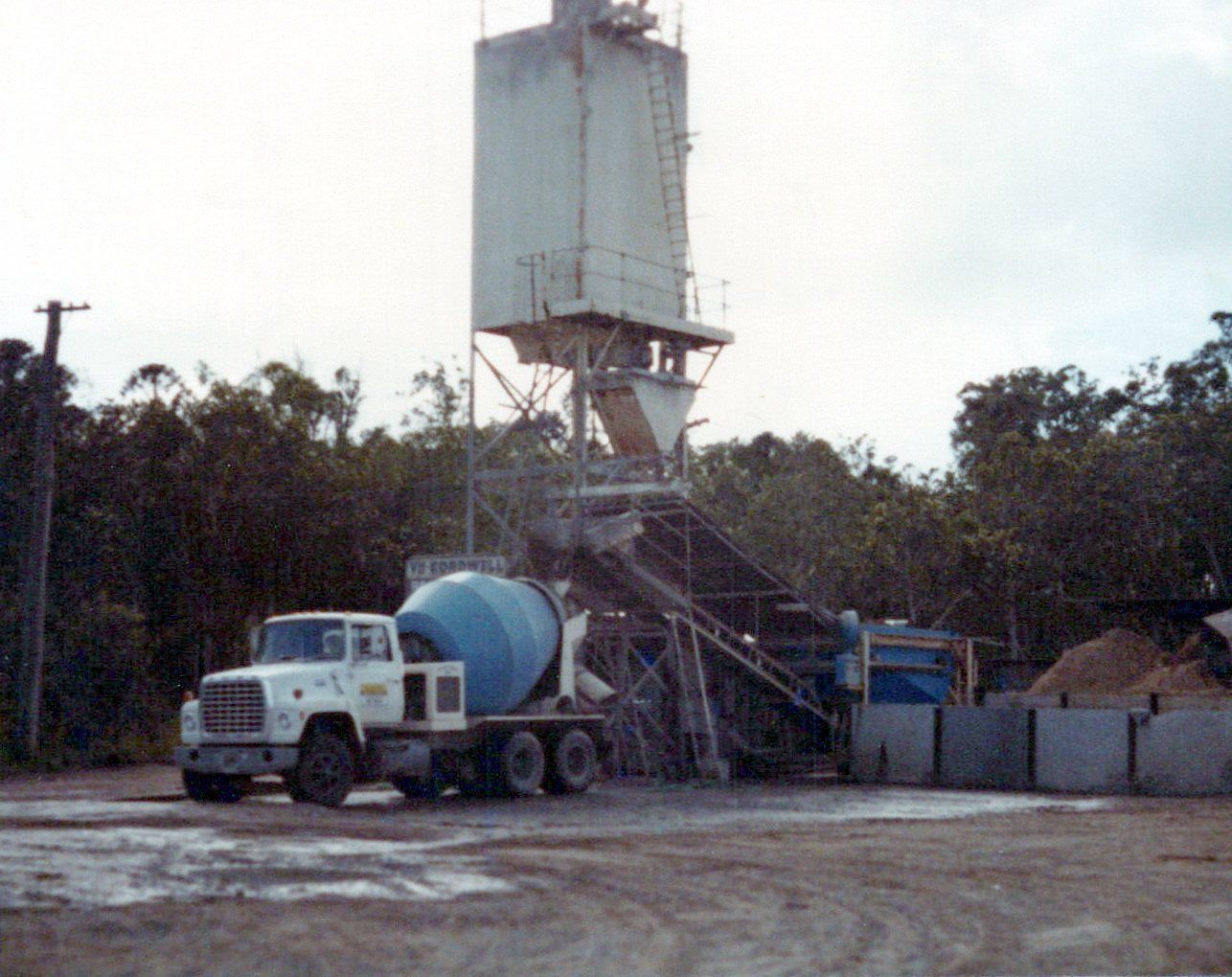
In 1971, 11 Cordwell Rd began with one silo. By 1993, there were two silos, and a third silo was added in 2008. In 2016, the plant had four silos and two loading bays, transforming the Yandina site into a mega plant. The crusher and screening equipment from the Dunethin Rock site was also moved when Vic opened a new site in 1971. In 1972, the plant was still manual but had scales and a small silo to hold and measure the quantities. Concrete mixes were solved from custom charts at the time.
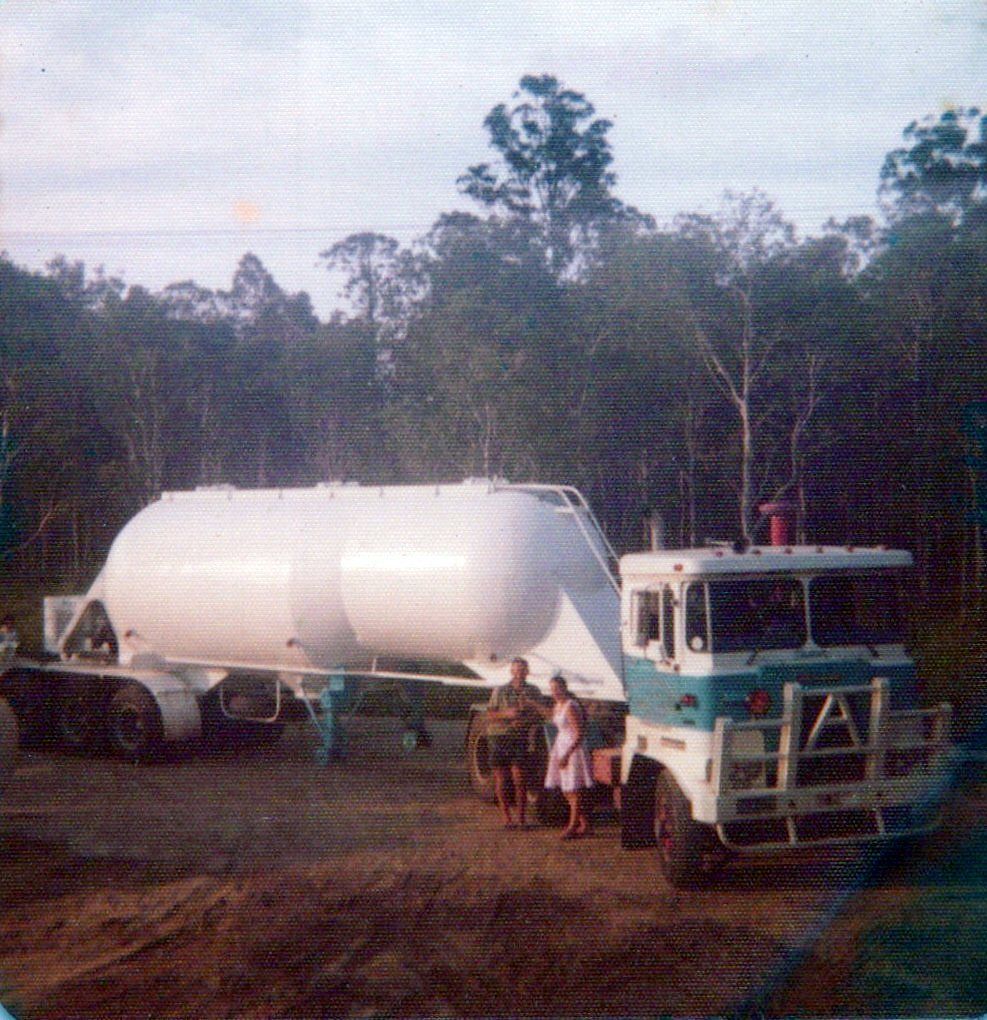
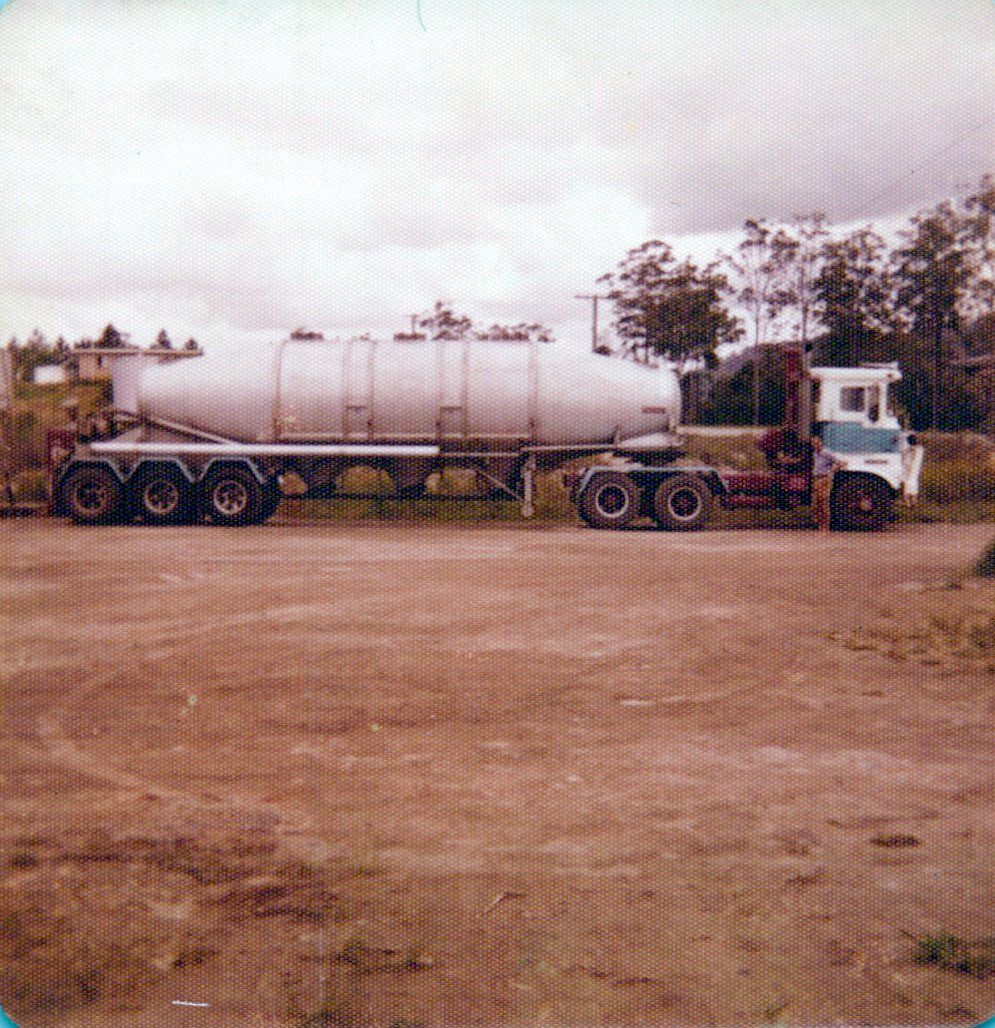
Cordwell’s haulage - trading as GB&AP Cordwell - commenced operations, now “Ailort Pty Ltd” with one 12-tonne tanker. Additional prime movers, bulk cement tankers, and tipper trailers were purchased to transport bulk cement, fly ash powder and raw materials to our plant and many other plants throughout QLD. Garry Cordwell drove the tanker himself and carted cement powder for his dad. (2nd photo) 1974
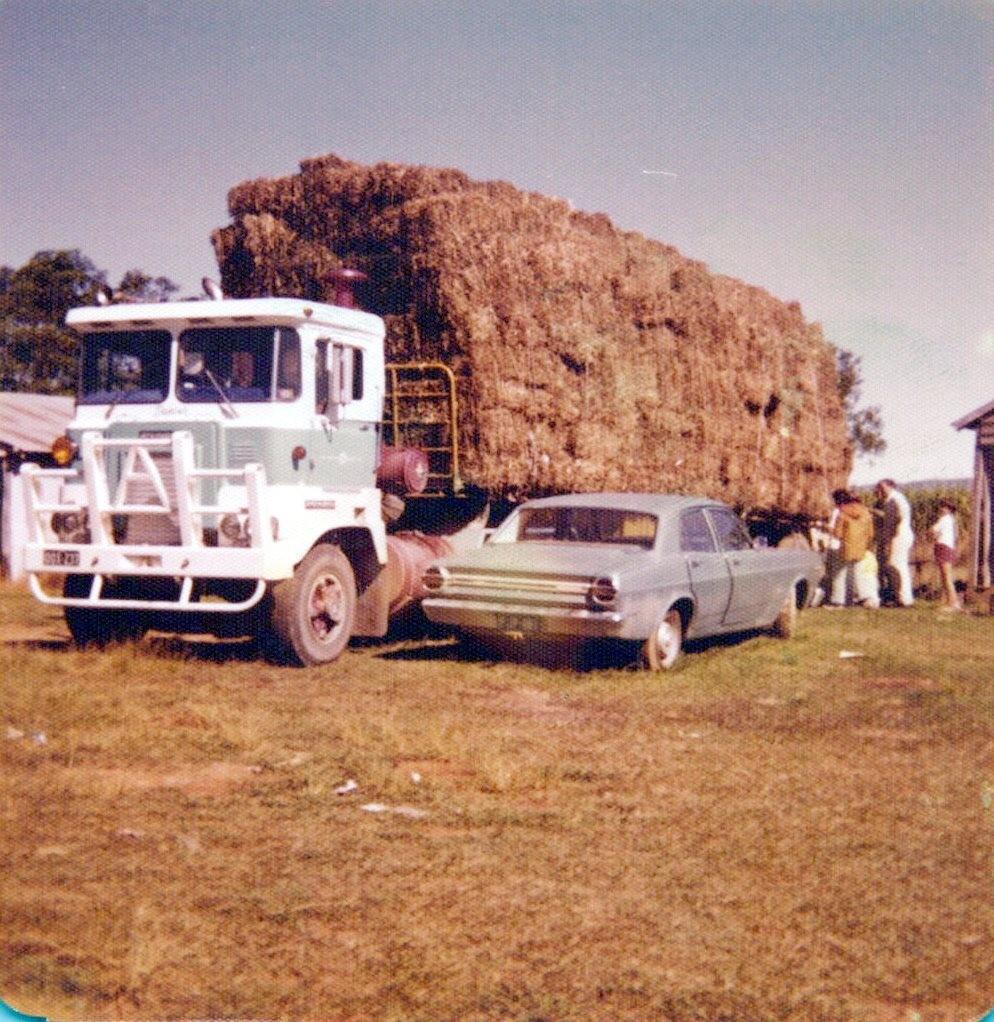
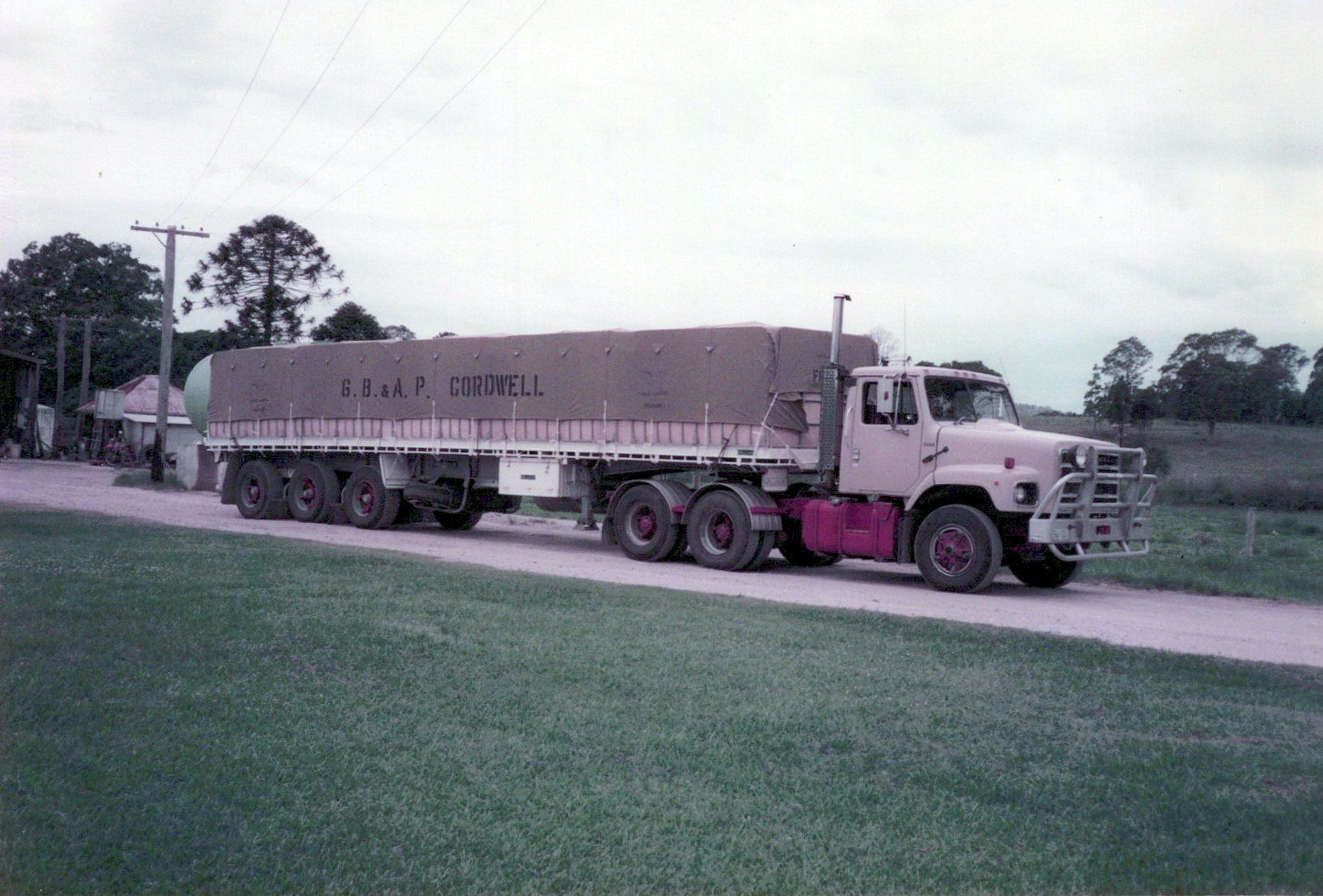
(Photo 1) Peanut hay was trucked to Yandina for cattle feed during the wet time (Photo 2) Sline, flat top doing long hauls as needed
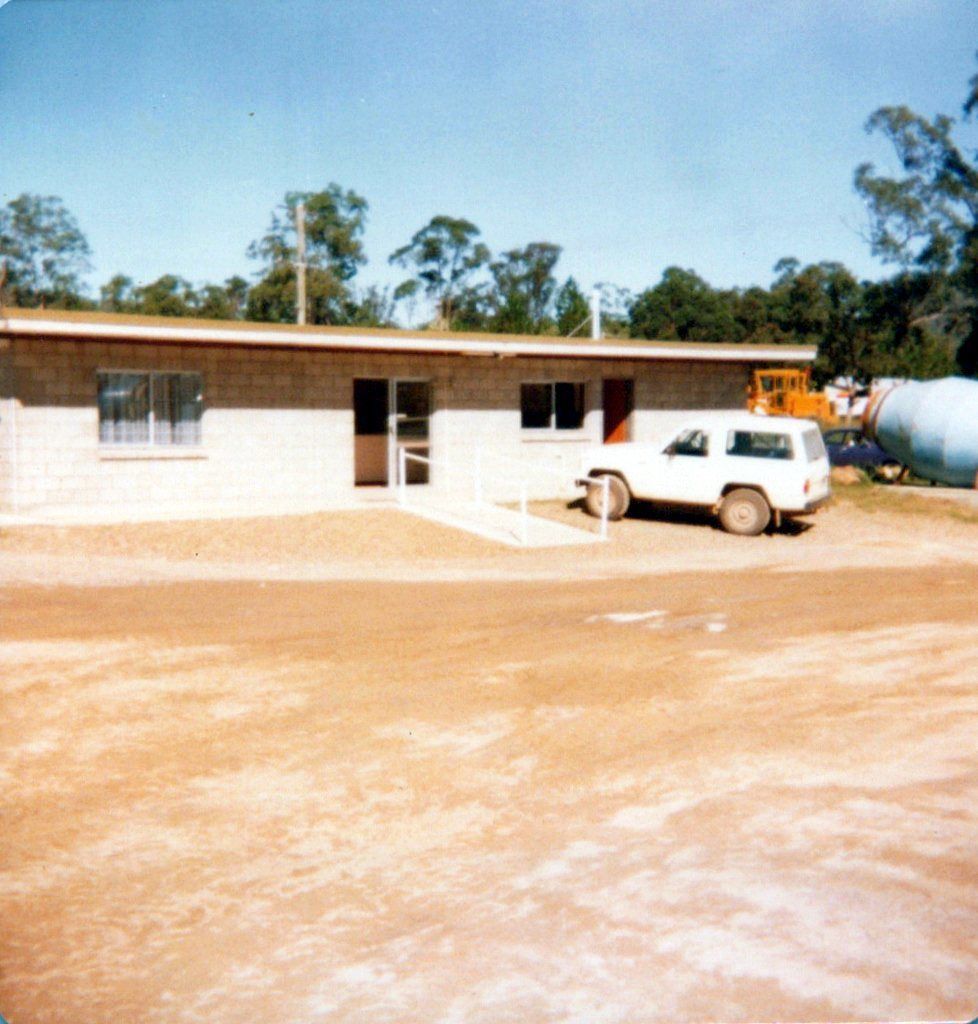
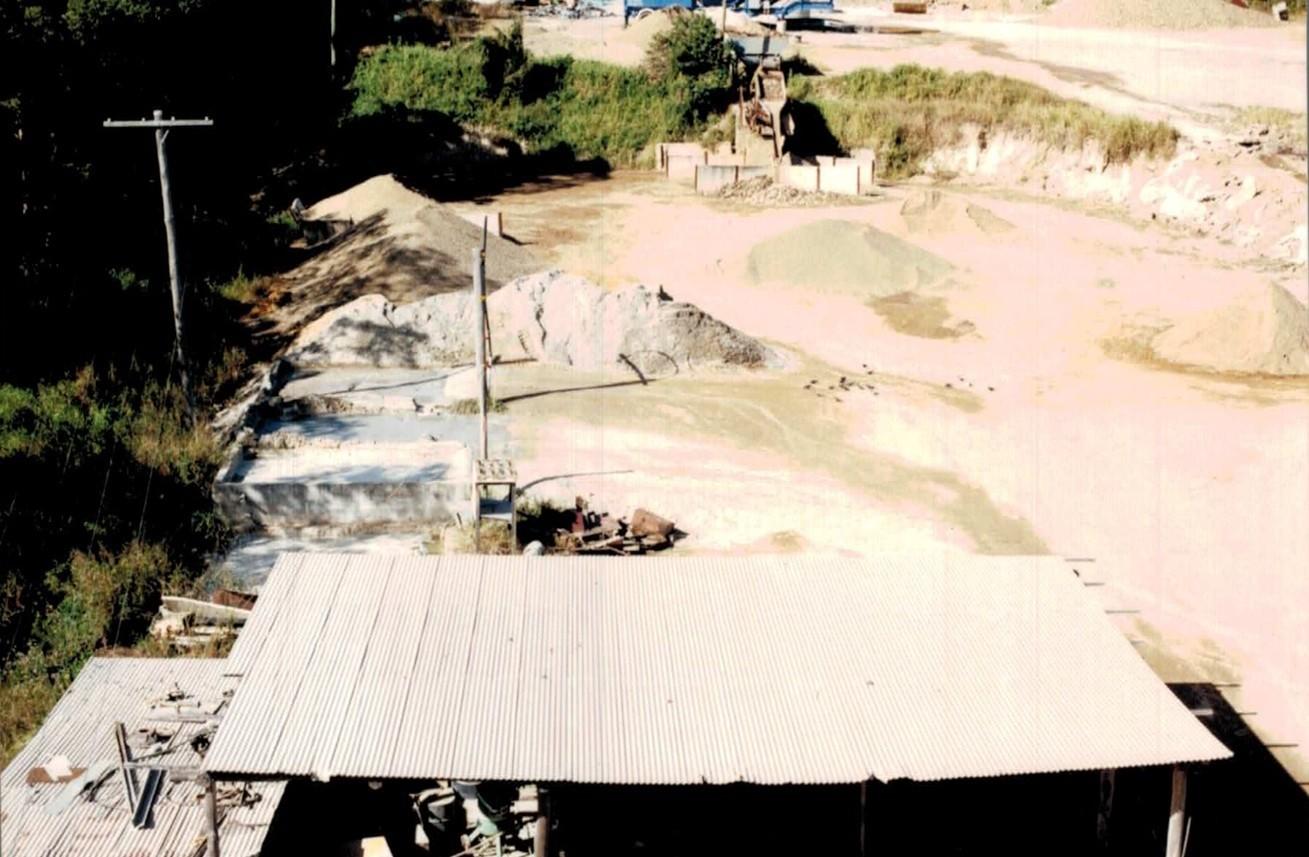
A new office had to be built because the old office site was resumed when the new service road, now Cordwell Road was constructed. The workshop at the back of the plant was an open shed with a small lockable room.
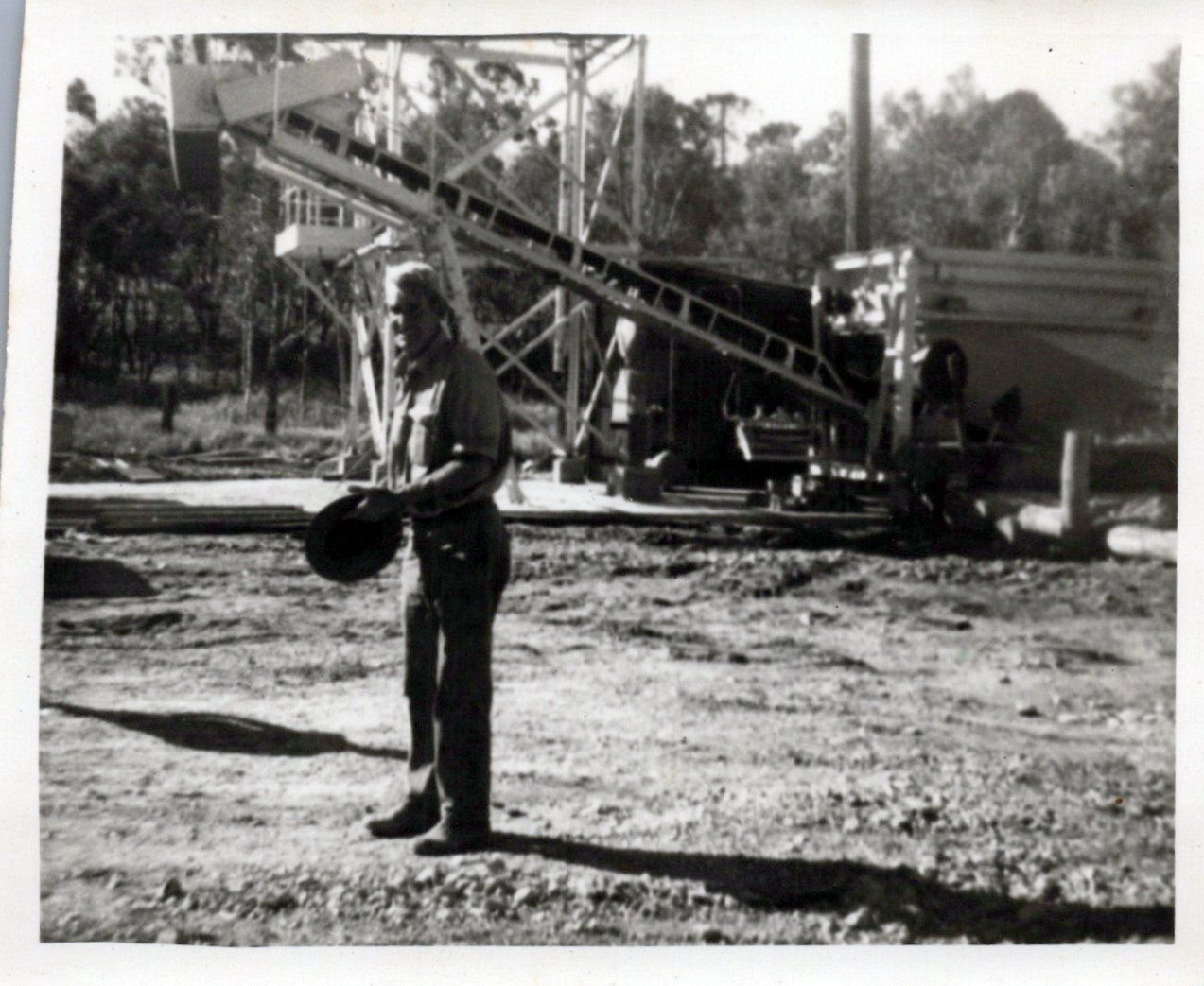
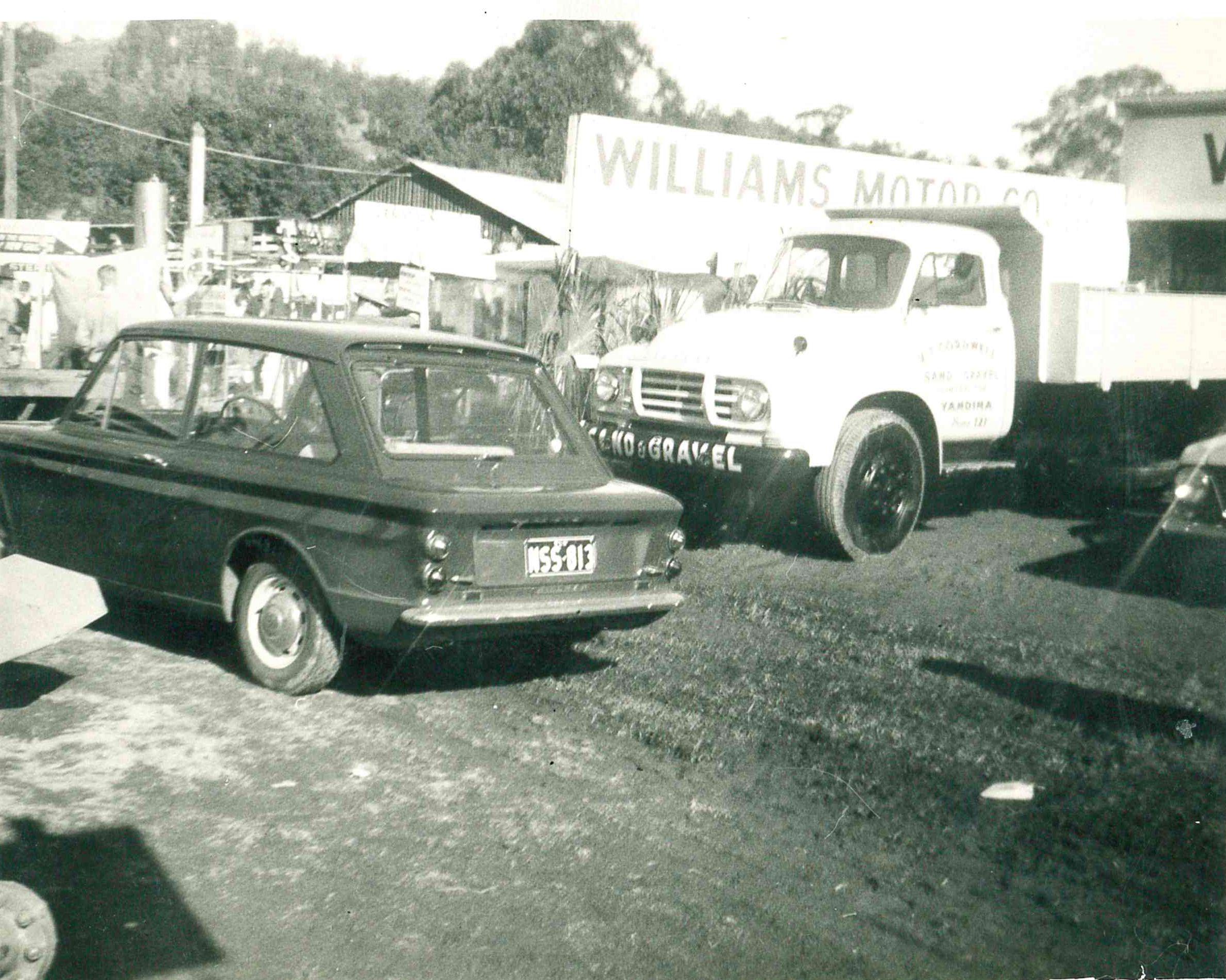
Cordwell Road was named in honour of the contribution Vic Cordwell made to the building industry and community. (With an old Ford truck, a shovel, a strong mind and a strong body on his side, Vic Cordwell began his own sand and gravel business and then grew to a concrete plant.)
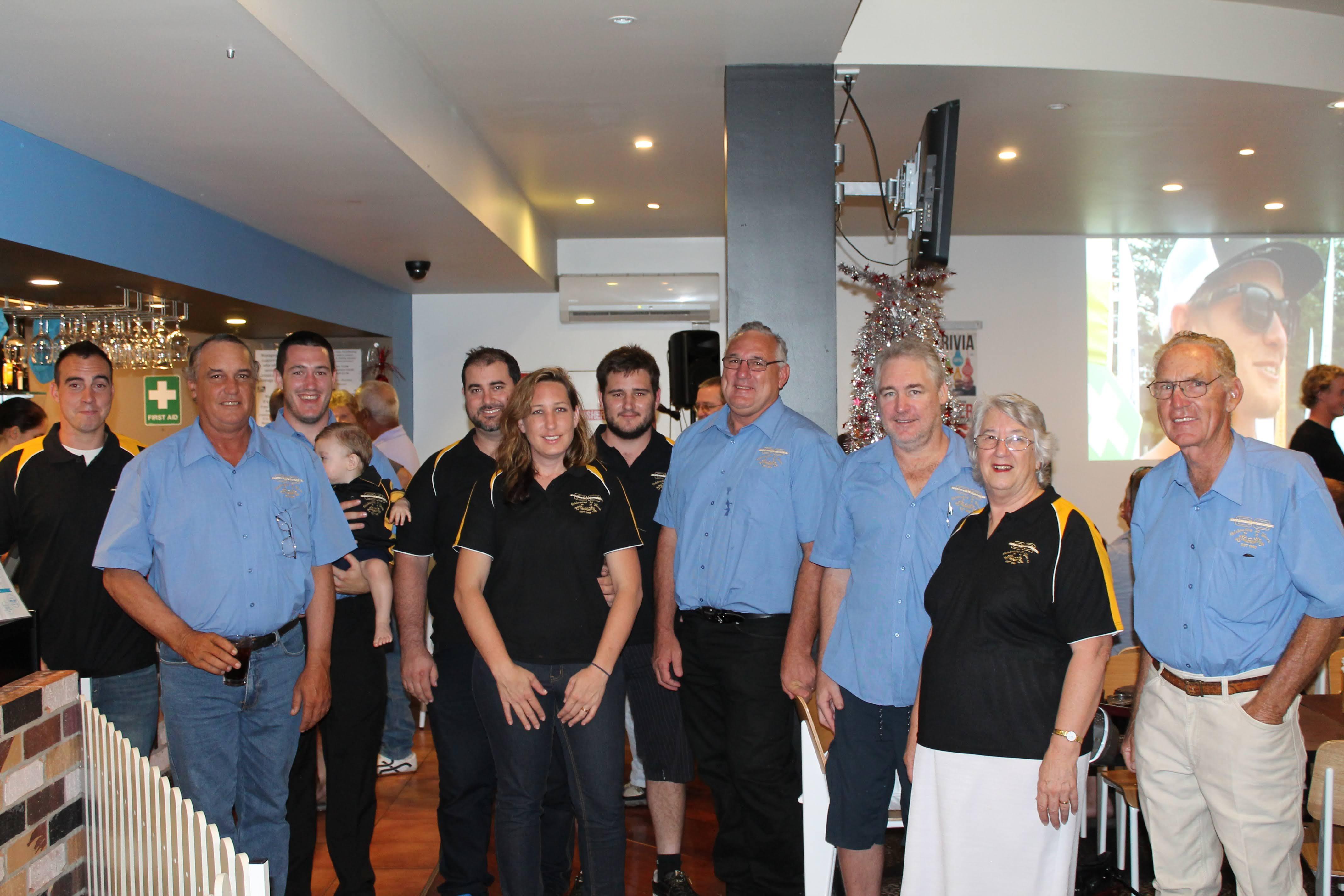
After Vic Cordwell’s death in 1988, Garry and Pat Cordwell purchased the concrete business, “Vic Cordwell’s Concrete,” from the estate and merged it with their existing haulage business. Vic Cordwell is remembered for his community spirit. He was one of the founders of Scouting in Yandina in 1952 when his sons were young enough to join, and he became Patron until his death. The ground at the Yandina Scout den was named Vic Cordwell Park in his honour. Vic Cordwell was also a member of the Lions Club from 1983-1994. Garry and Pat Cordwell continued the business with their family members joining as the company expanded, with grandchildren also joining in the business. The Cordwell family is also very community-minded, with Pat serving on committees for the school, Scouts, Guides, Chamber of Commerce, Yandina Historical Society, and Yandina Street Fair. David’s many years of involvement with Rugby League, Brian’s Scouting involvement as a leader, Motor Cross, Peter’s involvement with Soccer and Cadets, Maree and husband Glen with leadership in the Scouting Movement. The Cordwell Group have donated to many community groups around the Coast, over the years.
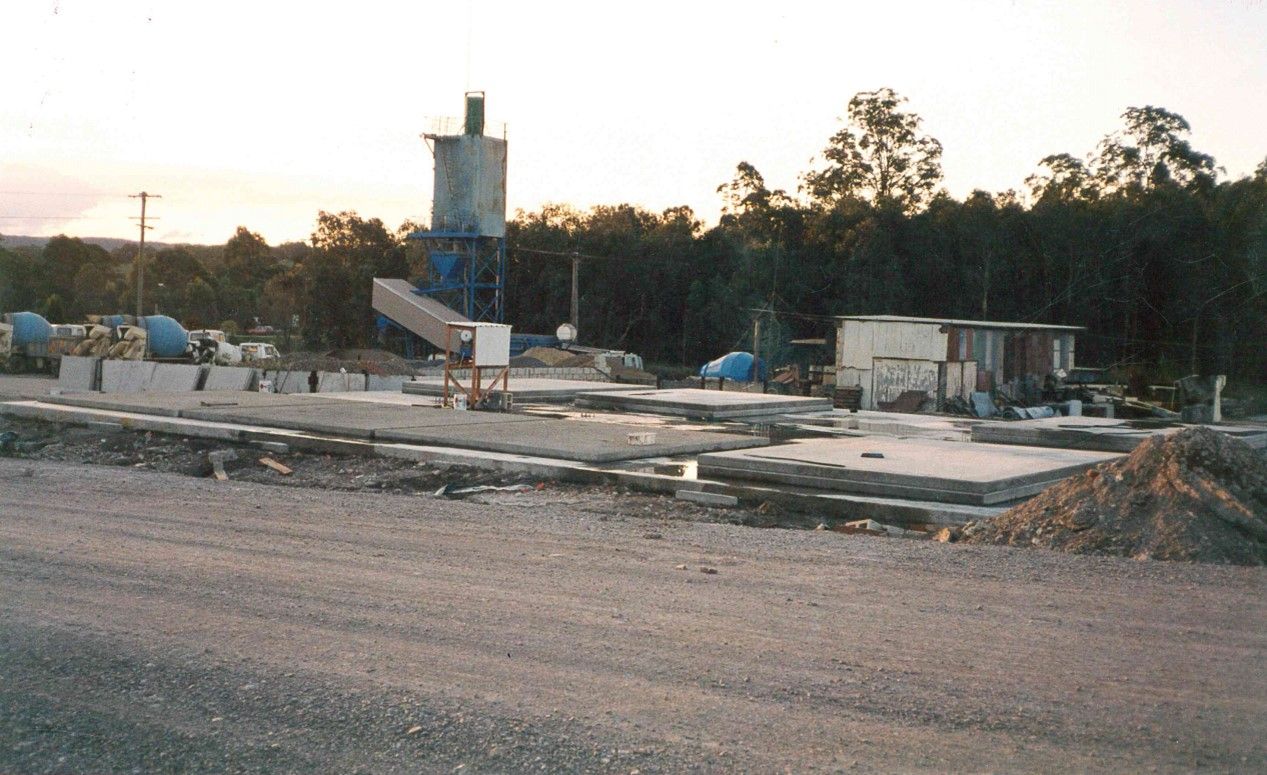

A large workshop was built to service the fleet, located near the old office. This shed replaced an old workshop, which was a lean-to shed visible in the background. The larger workshop was designed to accommodate servicing and maintaining our growing fleet of trucks as the company expanded. 1992 - 11 Cordwell Road (site road) expanded further, and other storage sheds built to park the trucks in overnight. Some sheds were to leased out to other businesses.
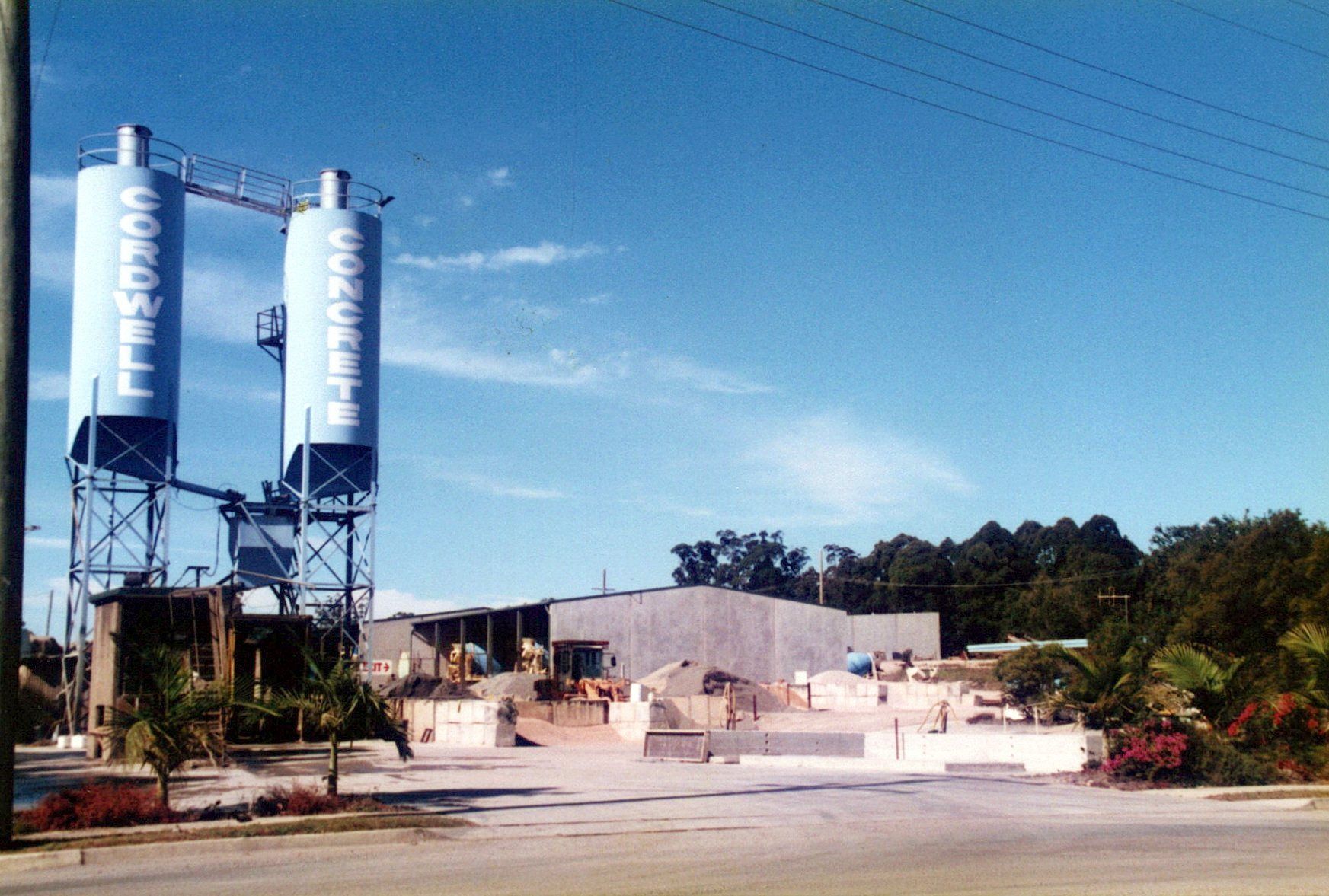
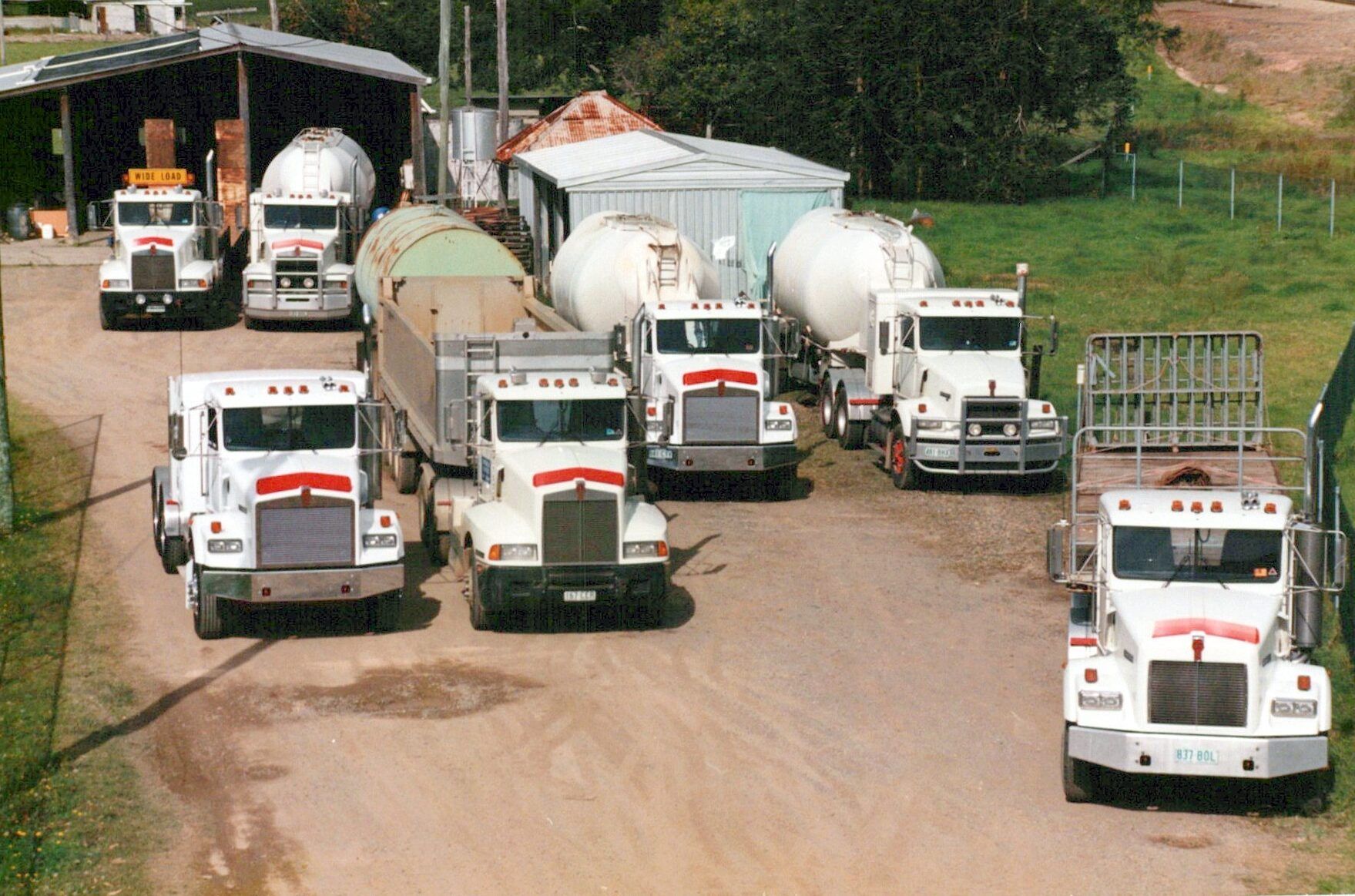
Concrete plant (1993) and trucks parked up ready to go (1995)
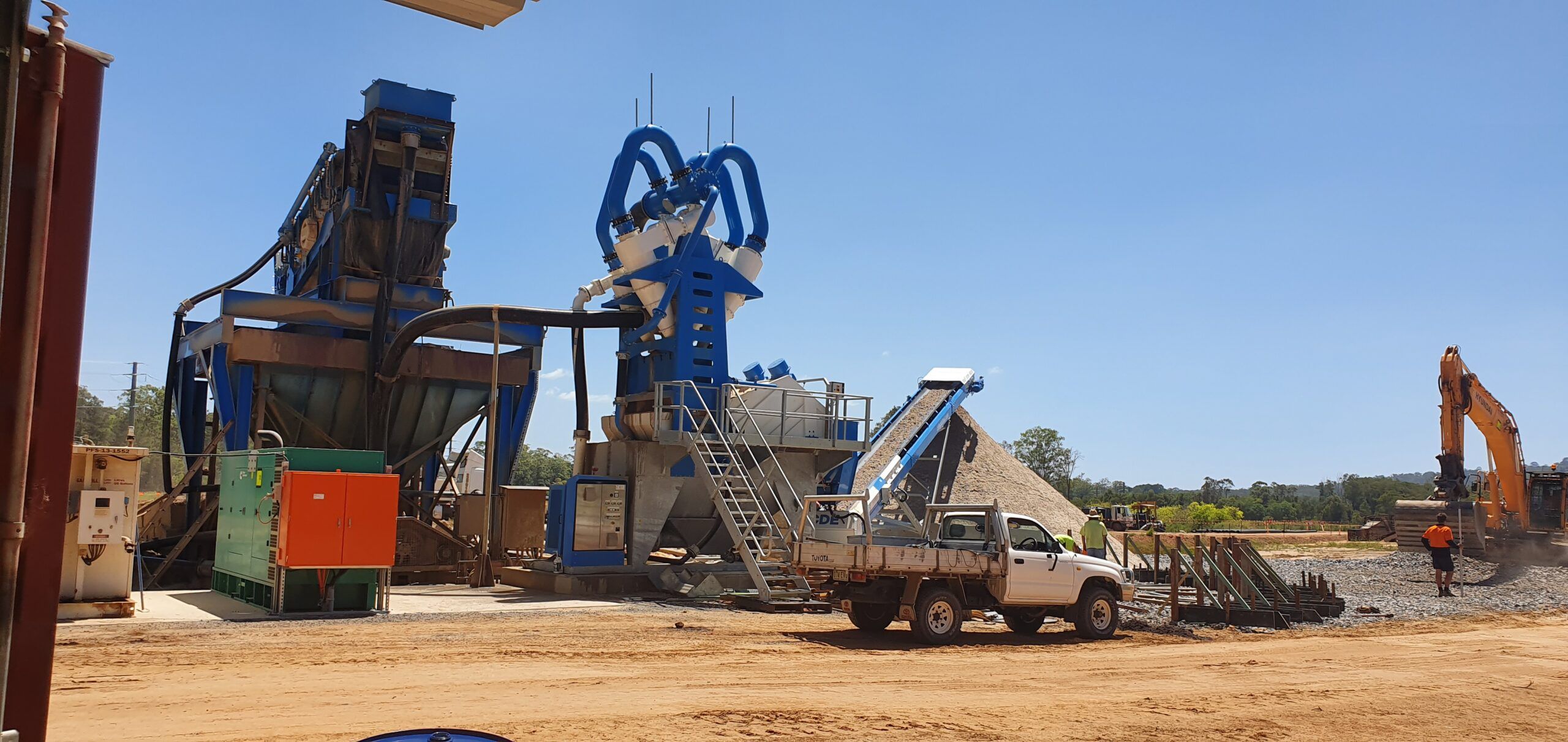
“Cordwell Resources Pty Ltd”, Chevallum site purchased with a dredge and a wash plant. This site is for Cordwells resource extraction and screening activities (dredging and screening) located on Dickson Road, Chevallum and is a Main Road certified Quarry – sand extraction plant.
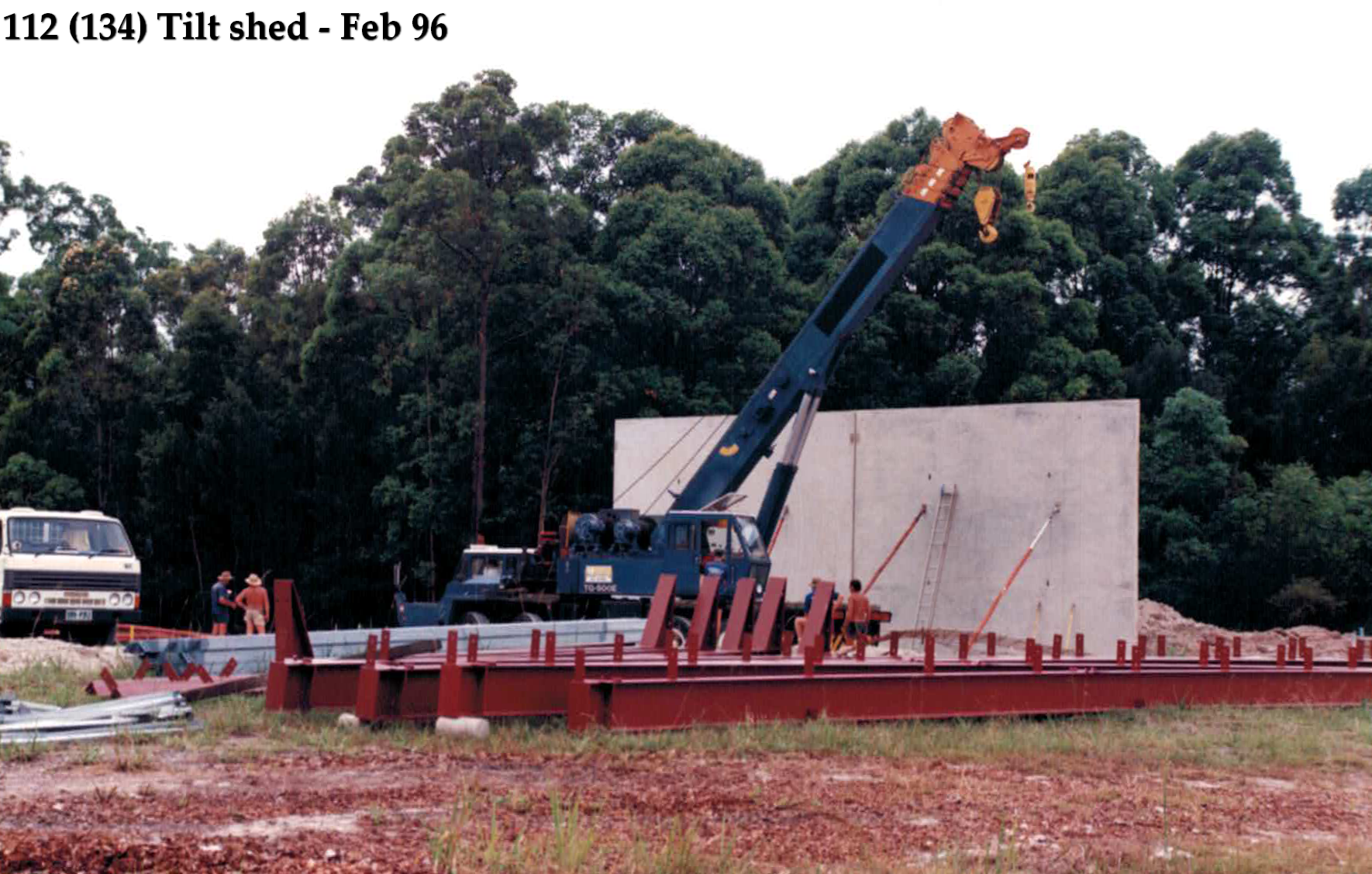
Built a new workshop and Boiler Maker sheds, near the existing office The workshop moved to this building, leaving the old shed to park concrete trucks. The new workshop has more up-to-date equipment in it.
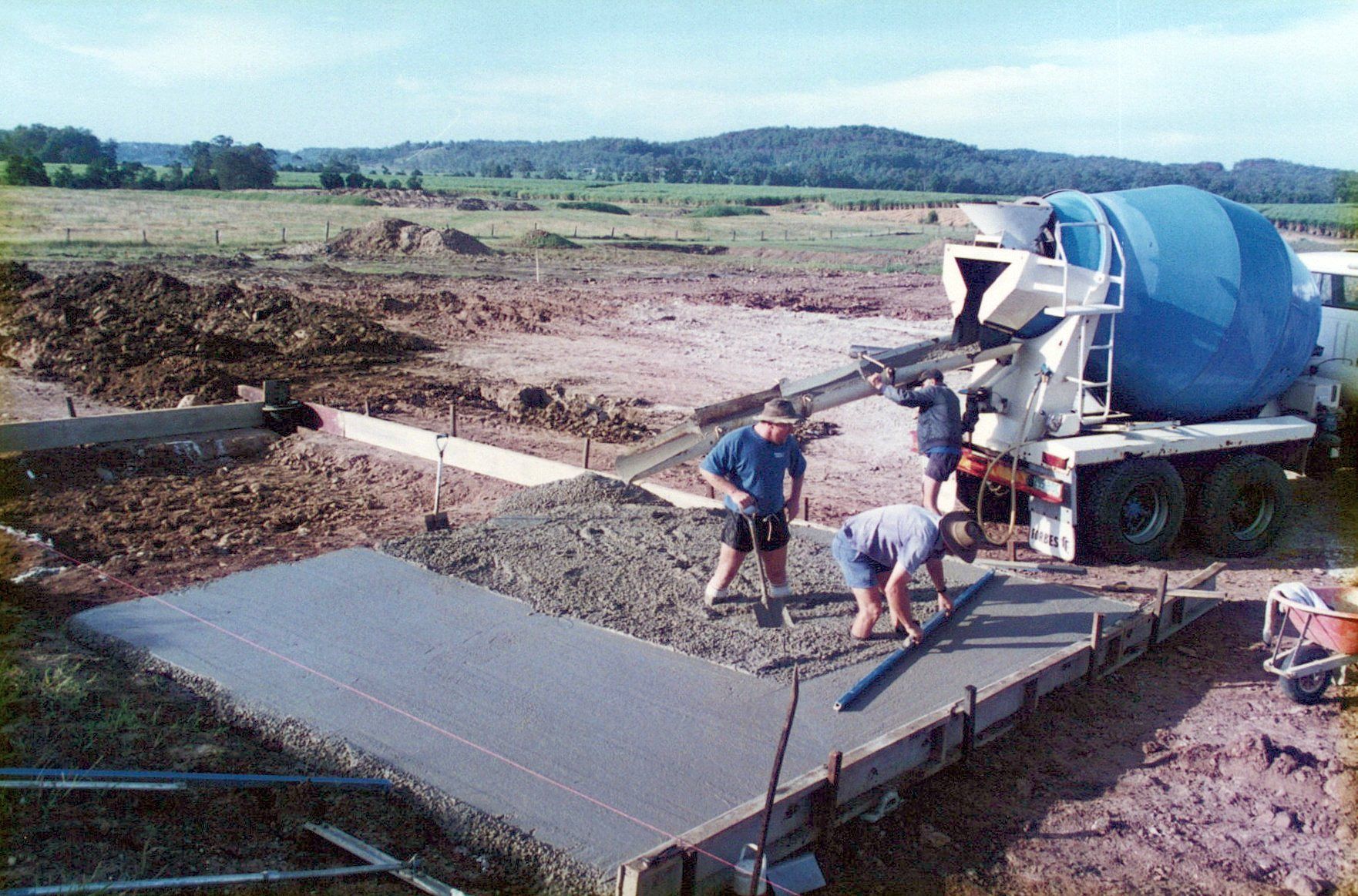
“Cordwell Resources Pty Ltd”, Yandina site This site is for Cordwells resource extraction and screening activities (dredging and screening) located on Yandina Bli Bli Road, Yandina.
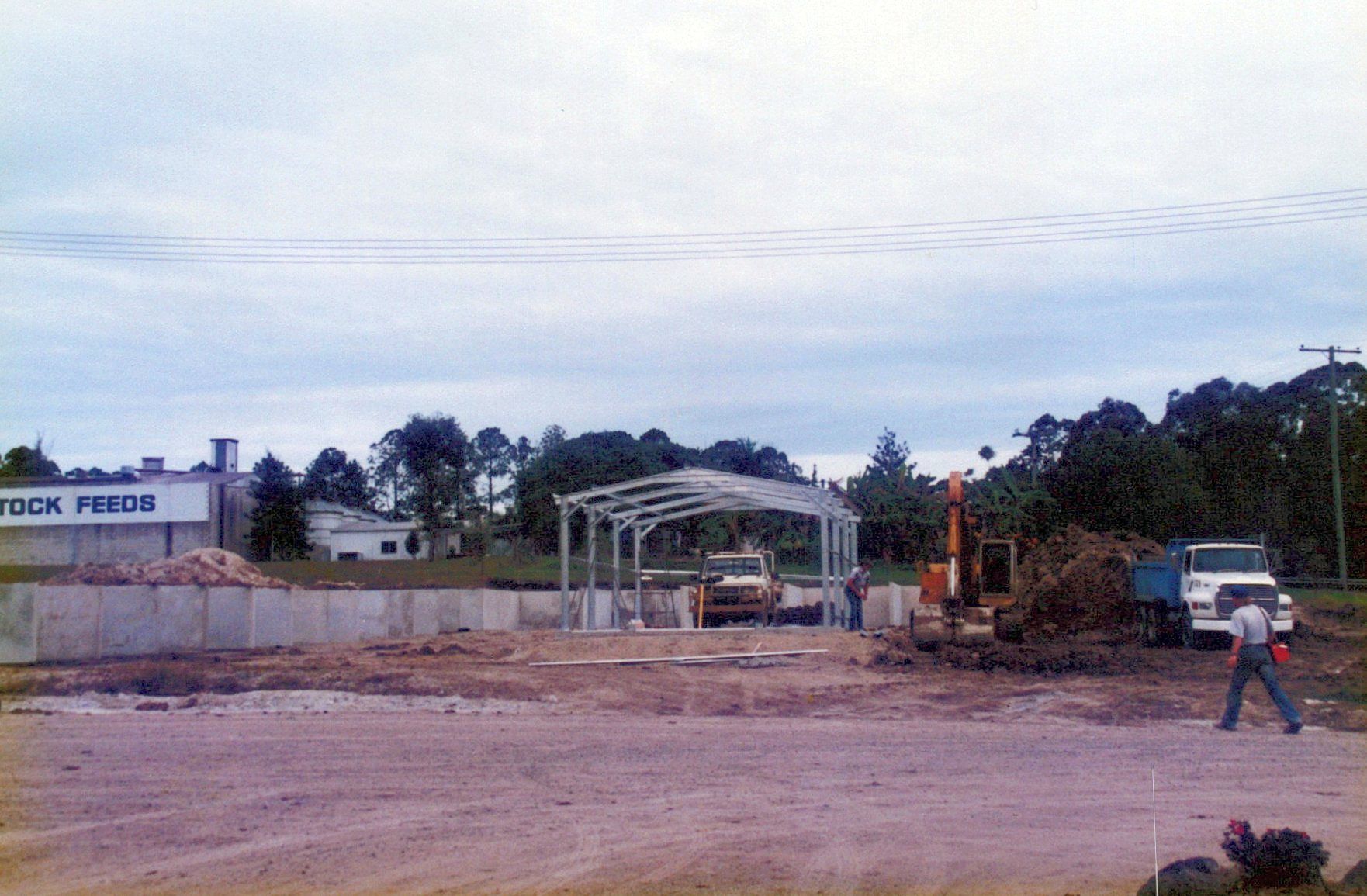
The landscaping yard with product bays was built to display the various products we sell and provide drive-through access for customers to have trailers loaded.
Demolition of old office
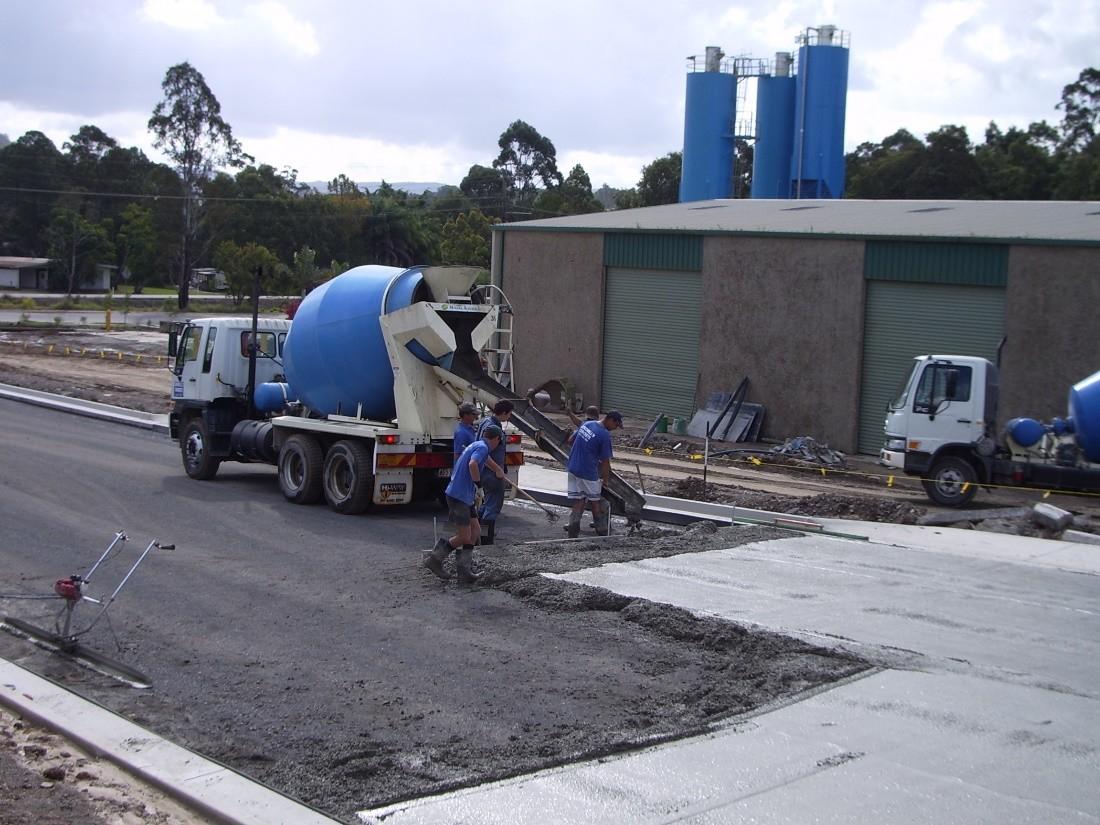
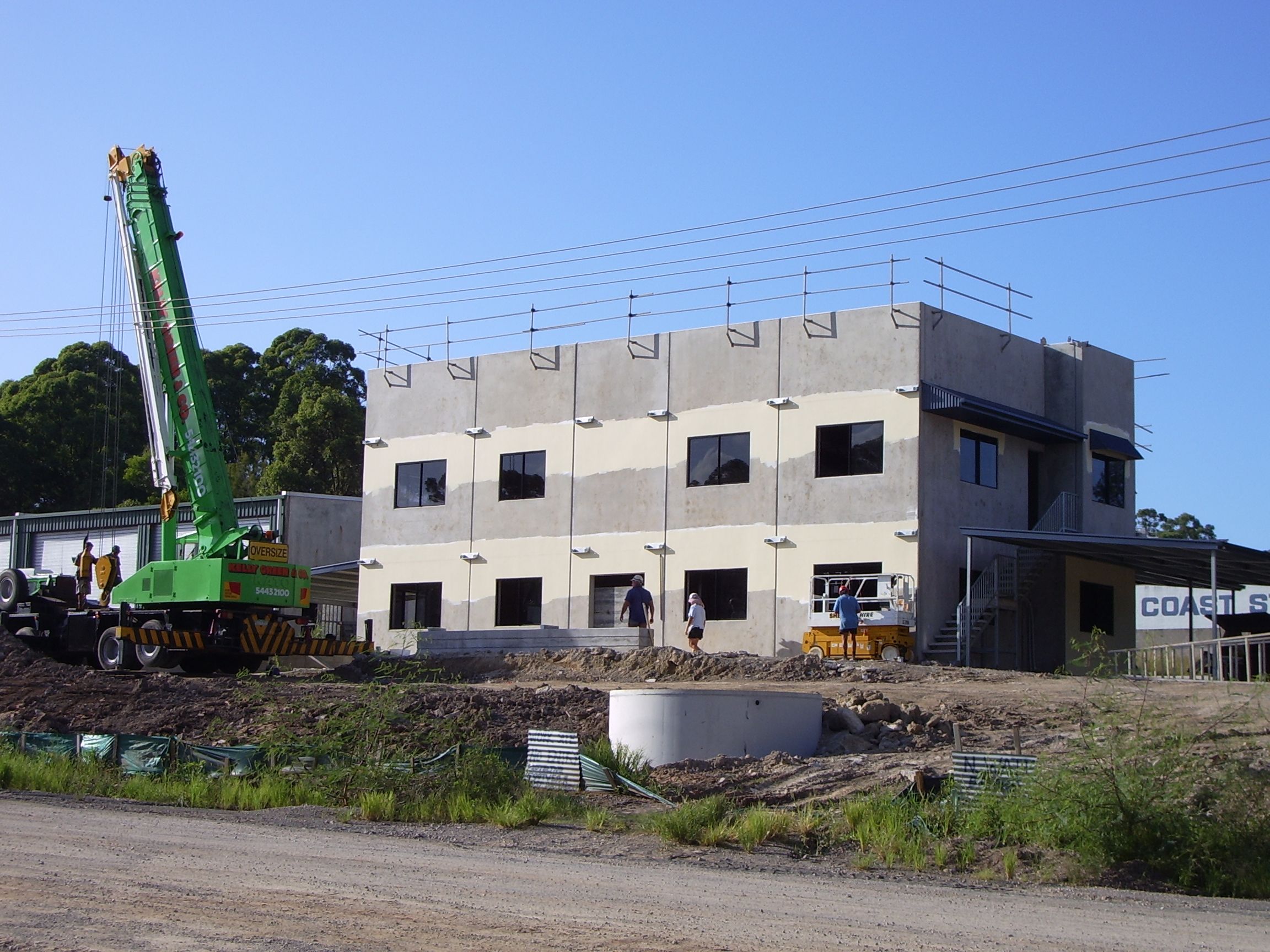
(Photo 1) Office road laying (Photo 2) 2009 Built a new office to accommodate the growth of the business.
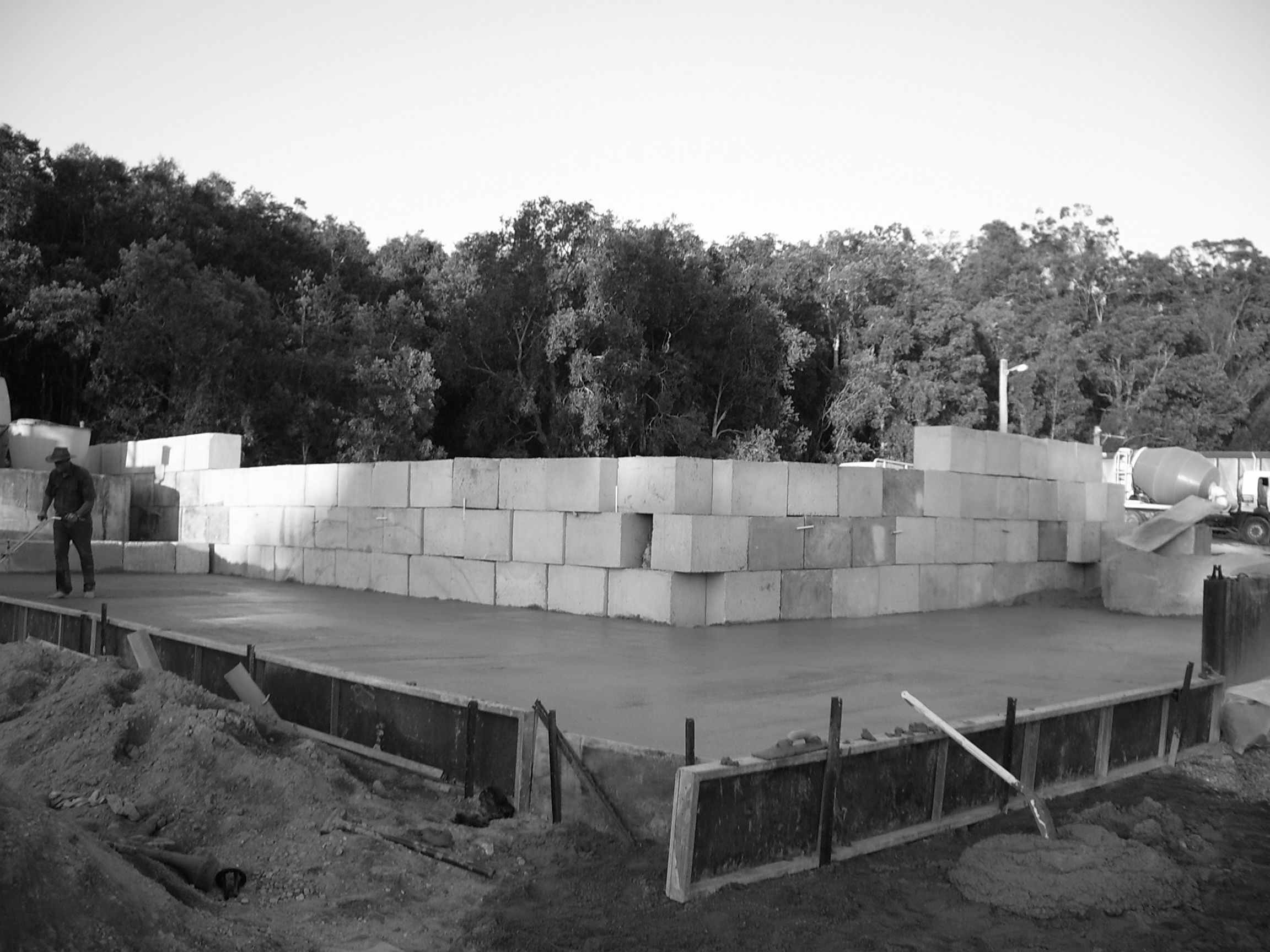
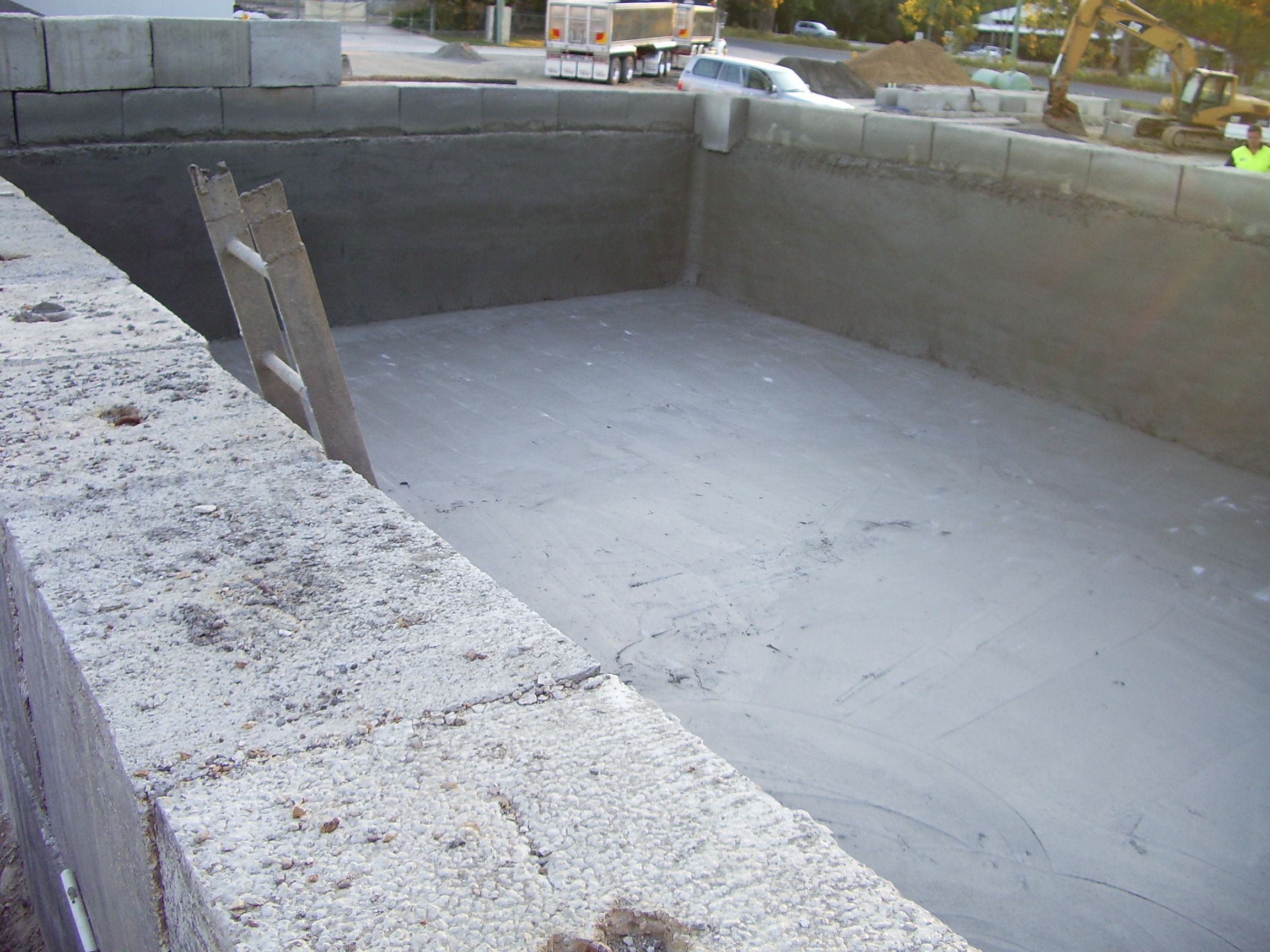
Building Recycling Tank
-2.jpg?2025-12-04T05:27:37.359Z)
2010 Entered into a joint venture classifying ash out of Millmerran, which is used in concrete, “Independent Flay Ash Brokers Pty Ltd” 2012 Grand opening of scrommel. First Concrete SCROMMEL Reclaimer installed in Australia– an advanced concrete management system. This reflects Cordwell’s commitment to continuous industry environmental best practice management and reduction of its environmental carbon footprint.
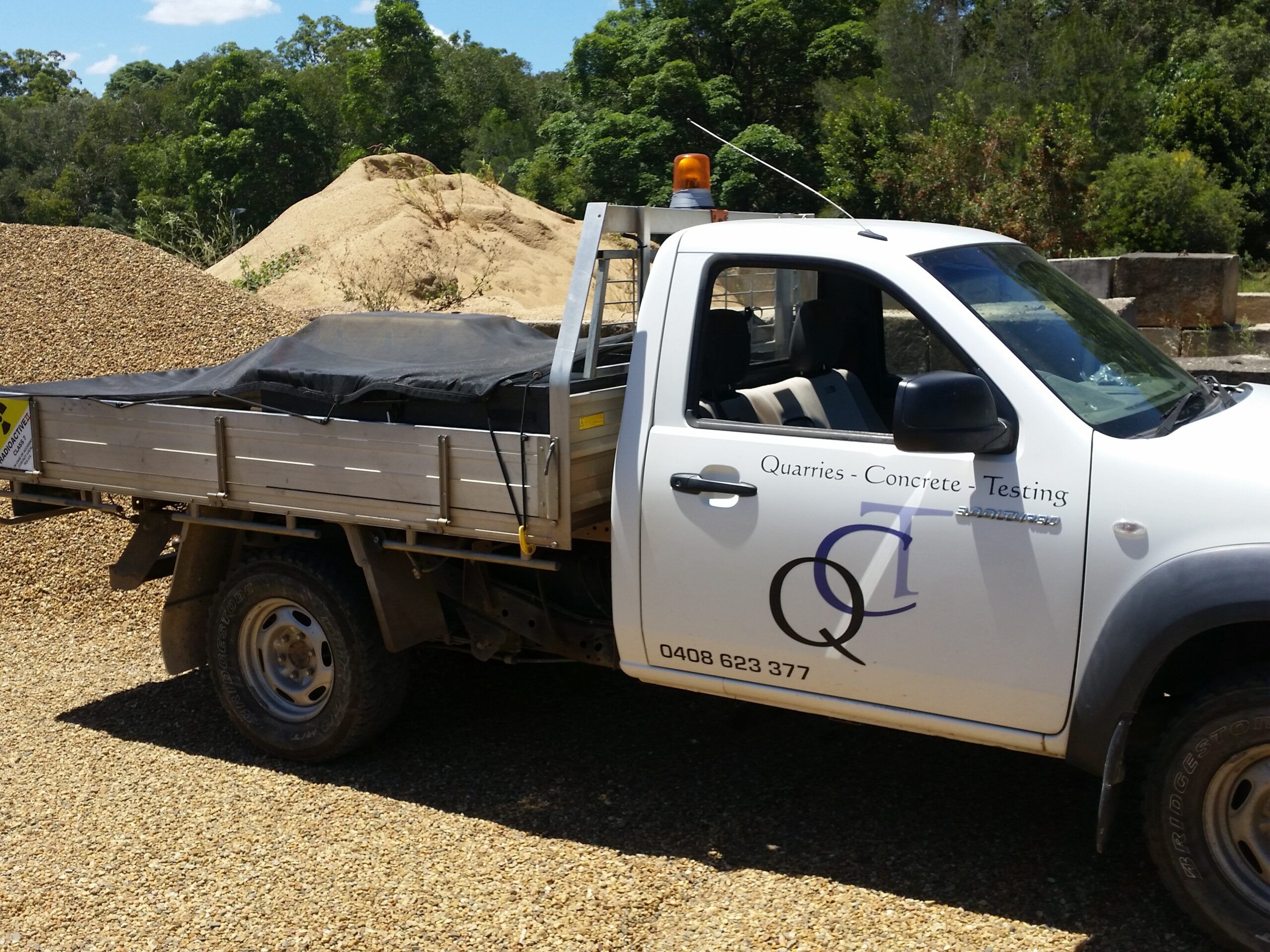
Our NATA-accredited laboratory, “QCTesting”, was established to complement business operations further. The use of the NATA-accredited laboratory facilities and testing facilities is a requirement of most project specifications in the field of construction materials. Our testing is conducted using state-of-the-art equipment and experienced geotechnical technicians.
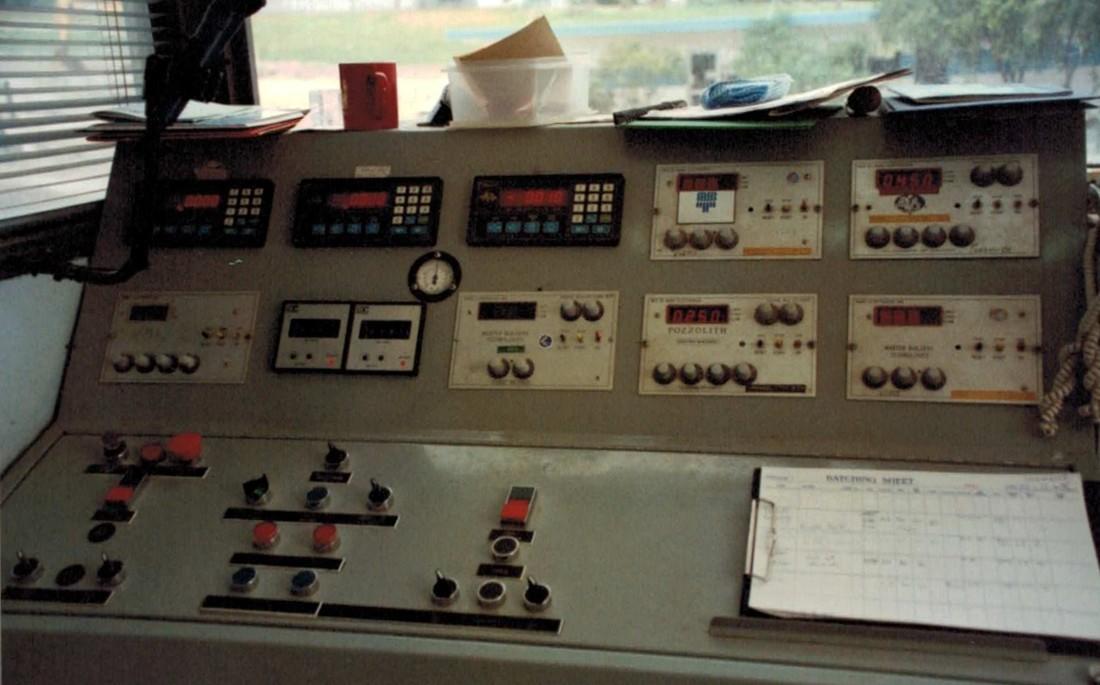
Computerised batching system, moving more electronically. Keeping up with modern technology
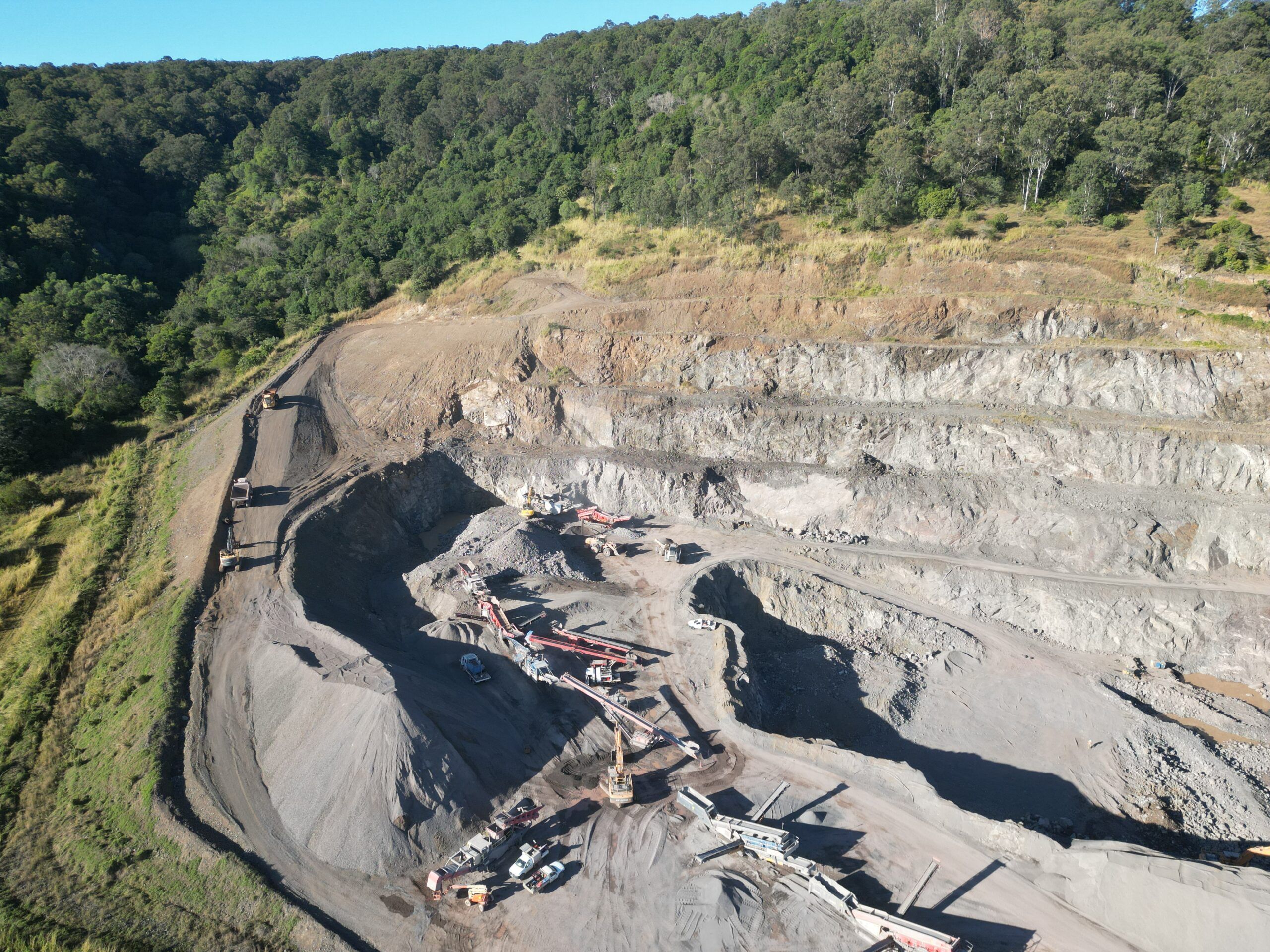
“Cordwell Resources Pty Ltd” leased the Kin Kin Quarry The quarry is located on Sheppersons Lane, Kin Kin. Quarrying and Andesite deposit, suitable rock source for aggregate, road pavements, drainage media, rip rap and other quarry products are taken using open cut extraction techniques. Main Road certified Quarry.
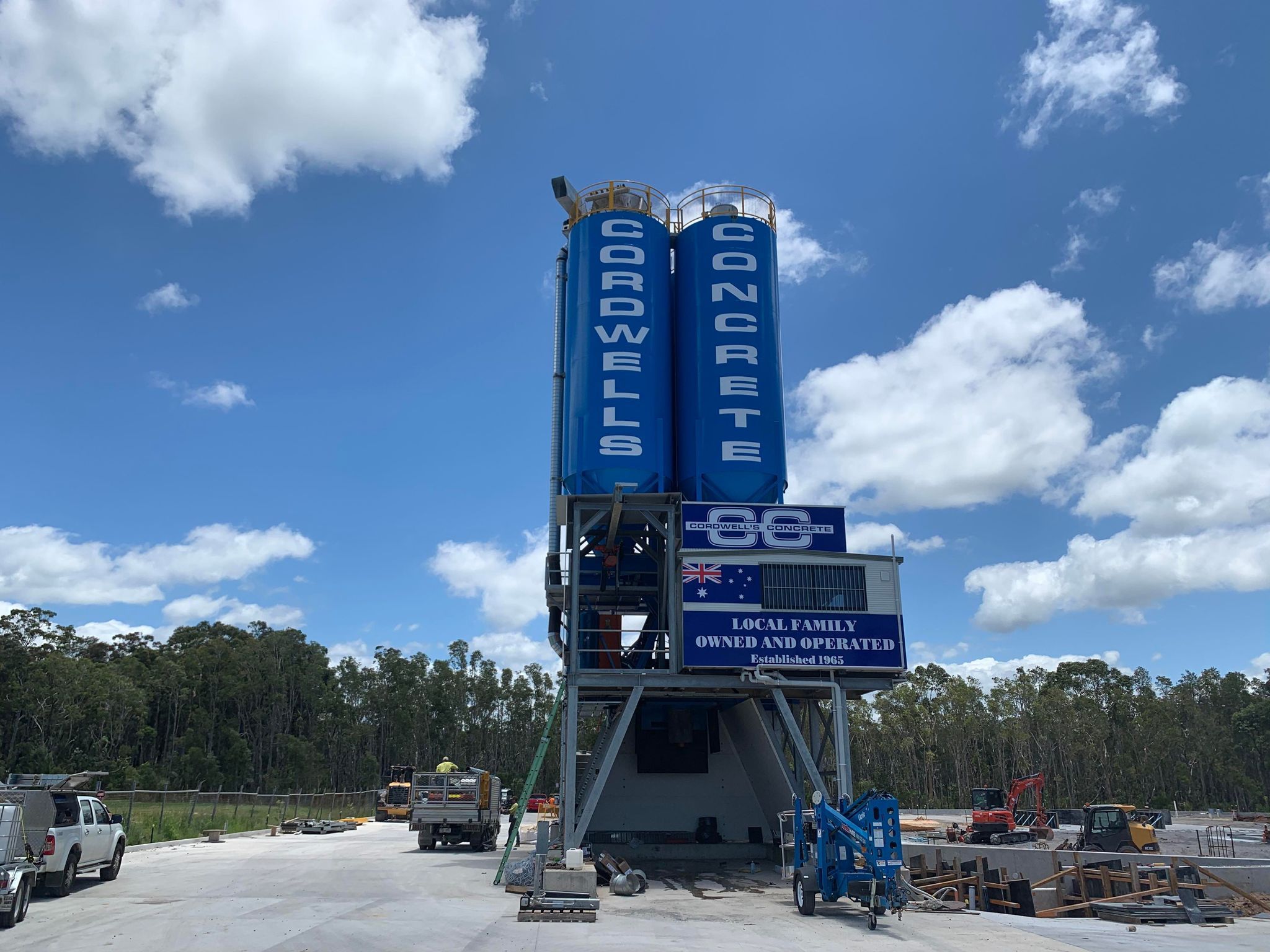
The Caloundra plant opened, offering a range of decorative concrete, with exposed and colour options, along with the ability to meet and deliver all needs and specification requirements for concrete. The plant is capable of producing more than 20m3 of concrete before needing to refill the bins with materials. It will capture every drop of water, with 80000 litres of storage.